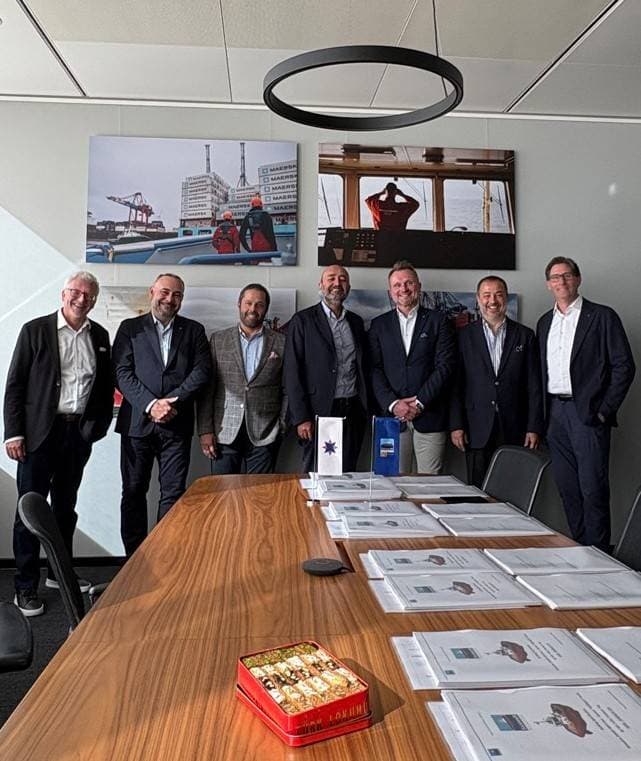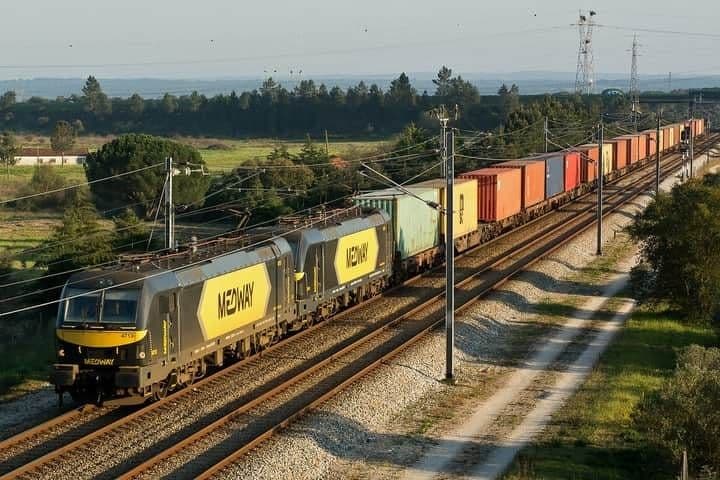
A strike initiated by employees of Renfe Mercancías, Spain's state-owned rail freight operator, has caused substantial disruption across the national rail network. This industrial action, which commenced at the start of summer, resulted in the cancellation of 320 passenger trains, highlighting the widespread impact of the dispute. The core of the conflict revolves around the potential sale of a 50% stake in Renfe Mercancías to Medway, a freight subsidiary of the shipping giant MSC.
The context for this strike lies in ongoing discussions regarding the future of Renfe Mercancías. The proposed deal with Medway aims to inject private investment and potentially streamline operations, but it has met with strong opposition from unions concerned about job security, working conditions, and the long-term strategic direction of the freight division under partial private ownership.
For freight forwarders and supply chain managers, this strike presents immediate operational challenges. The cancellation of passenger trains often indicates broader disruptions to the rail network, potentially leading to delays in freight movements. Forwarders relying on Renfe Mercancías for inland transport within Spain or for connections to other European rail networks may experience service interruptions, requiring them to seek alternative road or intermodal solutions. The uncertainty surrounding the sale to Medway could also influence future capacity and service offerings, necessitating careful planning for long-term contracts and routing strategies.
While the article does not specify immediate next steps, the ongoing negotiations between Renfe, Medway, and union representatives will determine the resolution of this dispute and the future structure of Renfe Mercancías.