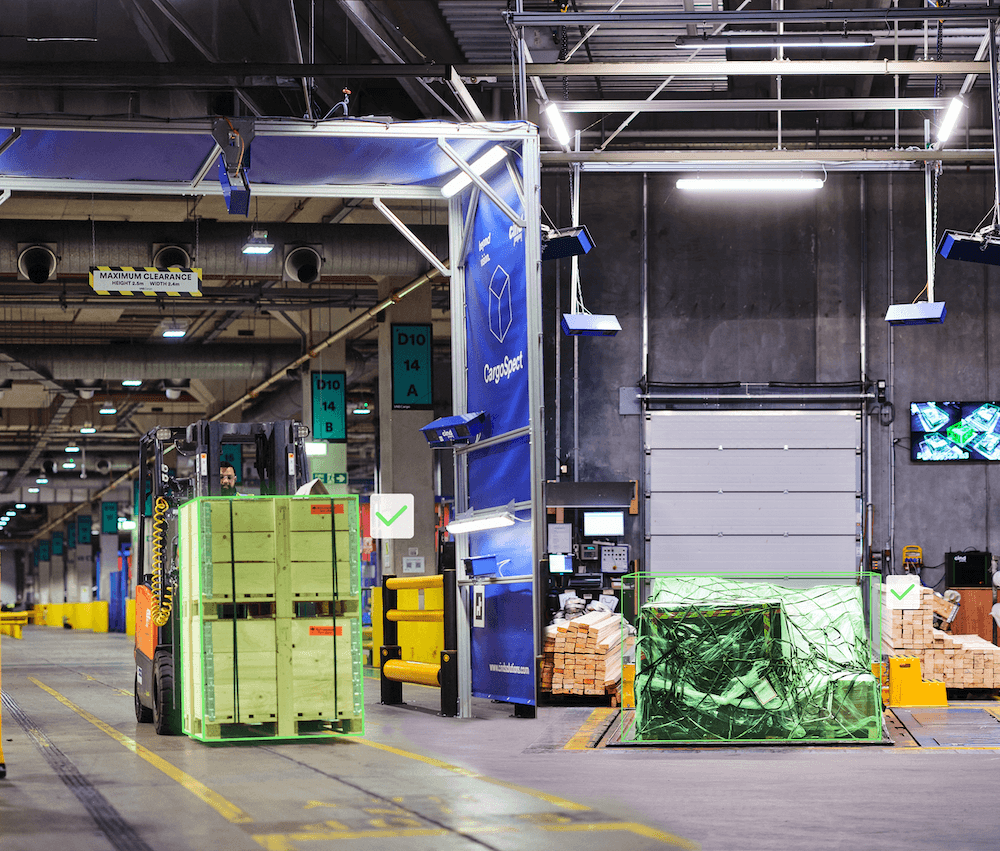
The air cargo sector is experiencing a significant advancement with the implementation of verified in-motion dimensioning technology. This innovation moves beyond traditional, isolated measurement points to a system of continuous data capture, making real-time shipment attributes a fundamental input for operational intelligence. This comprehensive data stream facilitates greater automation, refines planning processes, and boosts revenue optimization within busy warehouse and terminal settings.
Historically, cargo measurement often involved manual processes or static measurement stations, leading to partial data sets. The new technology integrates measurement directly into the normal movement of cargo, providing near-complete coverage and eliminating the need for partial sampling.
For freight forwarders and their operations teams, this development has several key implications. The availability of precise, real-time dimensioning data can lead to more accurate freight billing, reducing disputes and improving financial clarity. Furthermore, enhanced data allows for more efficient space utilization on aircraft and in warehouses, potentially leading to cost savings and improved capacity management. The automation driven by this data can also accelerate cargo processing, contributing to faster transit times and improved schedule reliability.