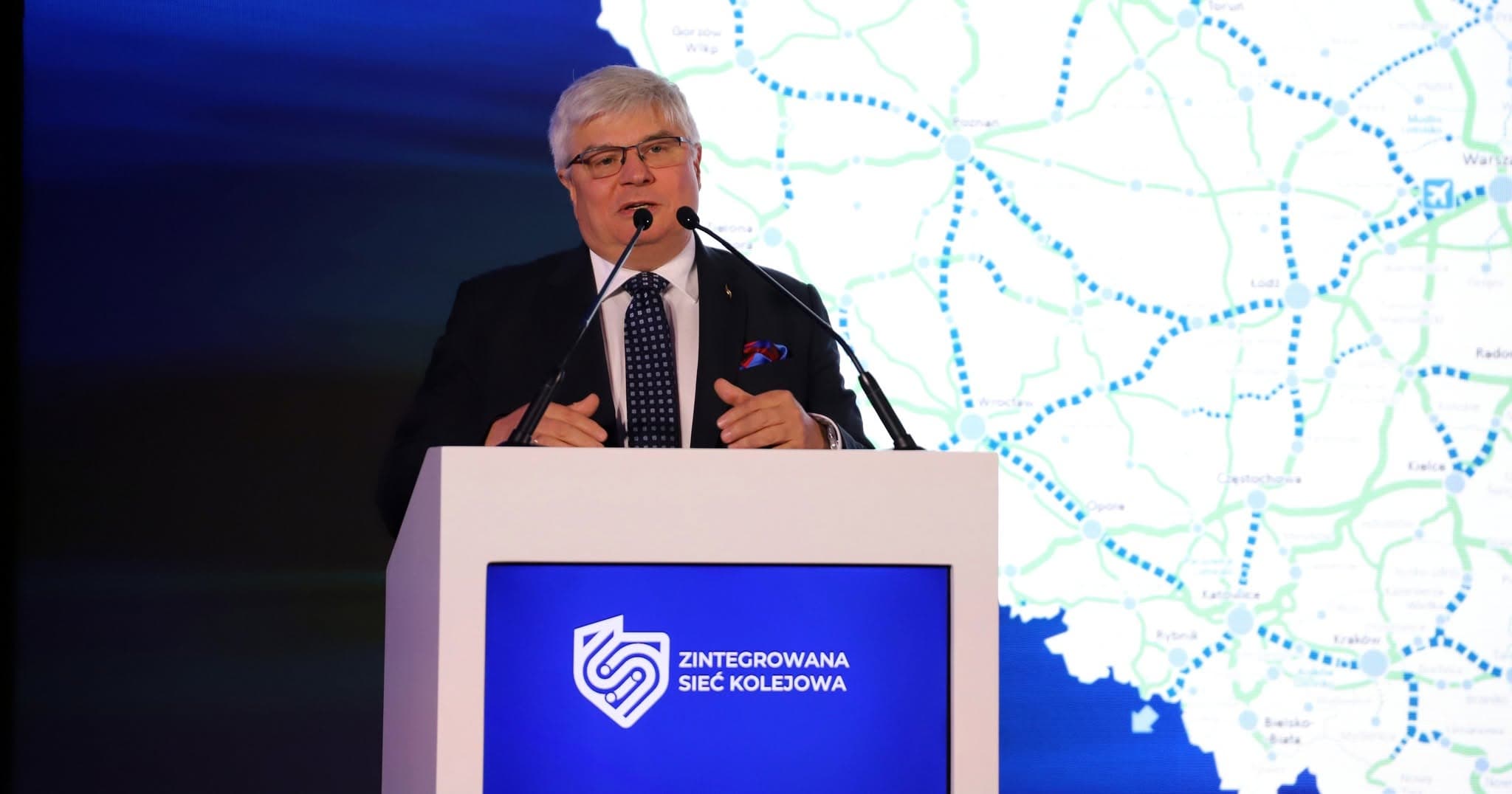
Poland has launched an ambitious national railway infrastructure expansion, which involves constructing 4,700 kilometers of new railway lines and establishing 19 primary rail corridors. The overarching goal of this extensive project is to enhance connectivity across various regions of Poland and improve overall rail transport efficiency.
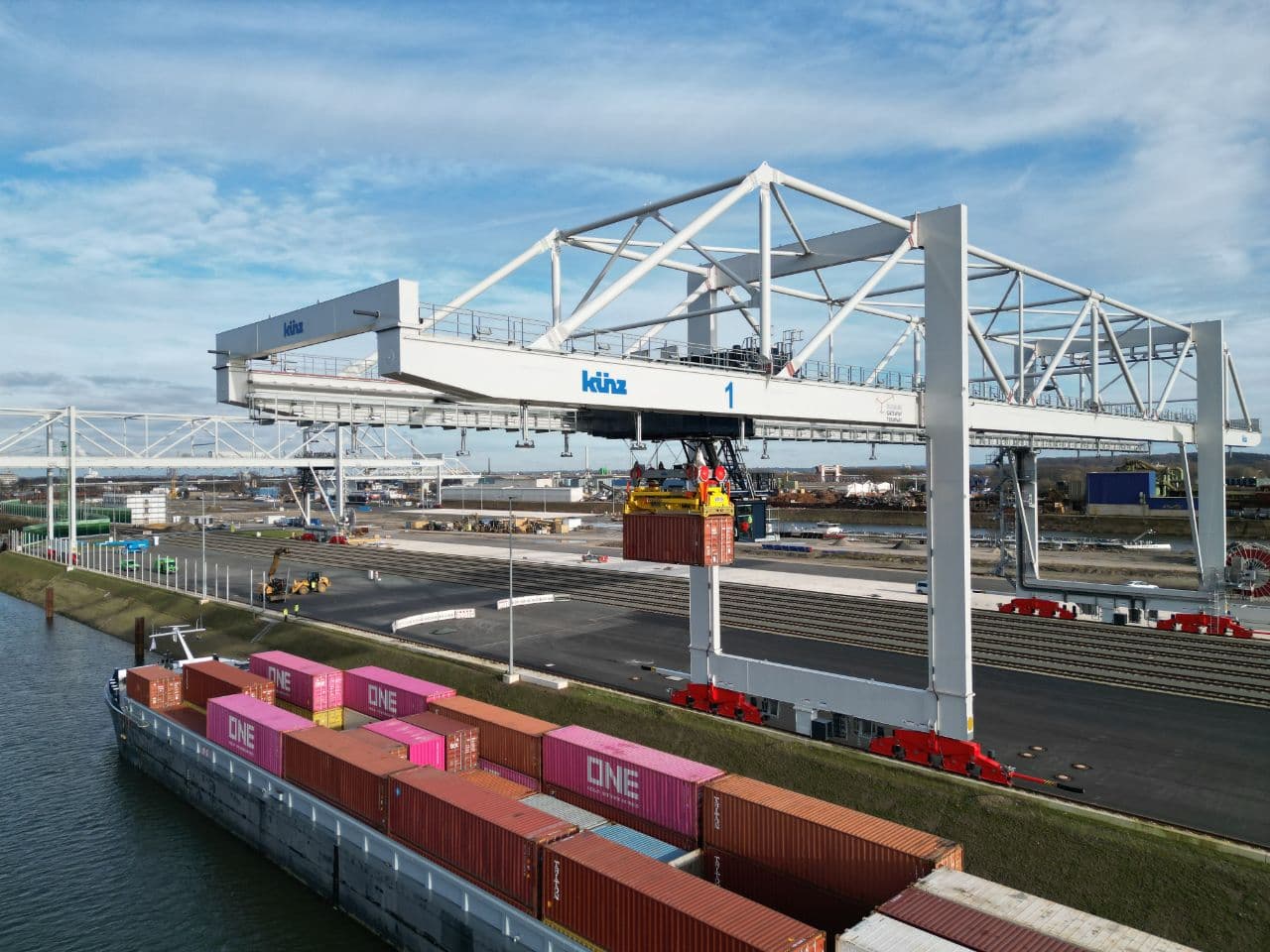
However, a key concern emerging from this development is the apparent lack of focus on freight transport. The current plans seem to prioritize passenger services, with little explicit provision for increasing freight capacity, developing dedicated freight lines, or improving intermodal connections crucial for logistics operations. This oversight could limit the potential economic benefits for the freight sector.
For freight forwarders and logistics operators, this emphasis on passenger rail means that while the overall rail network expands, the specific infrastructure needed to support efficient cargo movement may not materialize. This could lead to continued bottlenecks for rail freight, potentially impacting transit times and operational costs. Forwarders might find it challenging to leverage the new network for their cargo needs if dedicated freight paths or improved terminal access are not part of the development.
Future developments will need to clarify how, if at all, the Polish government plans to integrate freight considerations into this large-scale rail project. Stakeholders in the logistics industry will likely advocate for amendments or additional phases that specifically address the requirements of rail freight to ensure a balanced and comprehensive infrastructure upgrade.