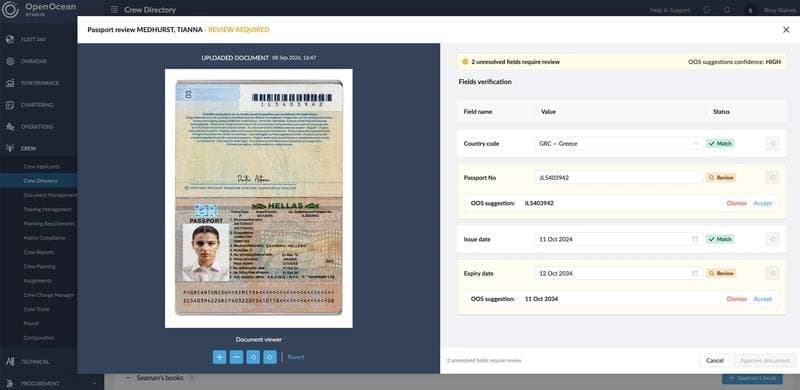
The maritime industry is confronting a significant obstacle in its journey towards digitalization and AI integration: a pervasive lack of trust in its own data. This issue was highlighted at the Geneva Dry conference in April, where a poll indicated that no attendees fully trusted their data, underscoring a critical weakness in the sector's digital foundation. This skepticism about data quality and reliability is a major impediment to leveraging advanced technologies like artificial intelligence, which depend heavily on accurate and trustworthy information.
For freight forwarders and operations managers, this data distrust translates into several practical challenges. Inaccurate or unreliable data can lead to flawed decision-making, impacting everything from vessel scheduling and route optimization to inventory management and predictive maintenance. This can result in operational inefficiencies, increased costs, and compromised service levels. Without confidence in the underlying data, forwarders may hesitate to fully embrace AI-driven tools for tasks such as demand forecasting or automated booking, thereby missing out on potential efficiency gains and competitive advantages. Addressing this issue is crucial for improving schedule reliability, optimizing capacity utilization, and enhancing overall supply chain visibility.