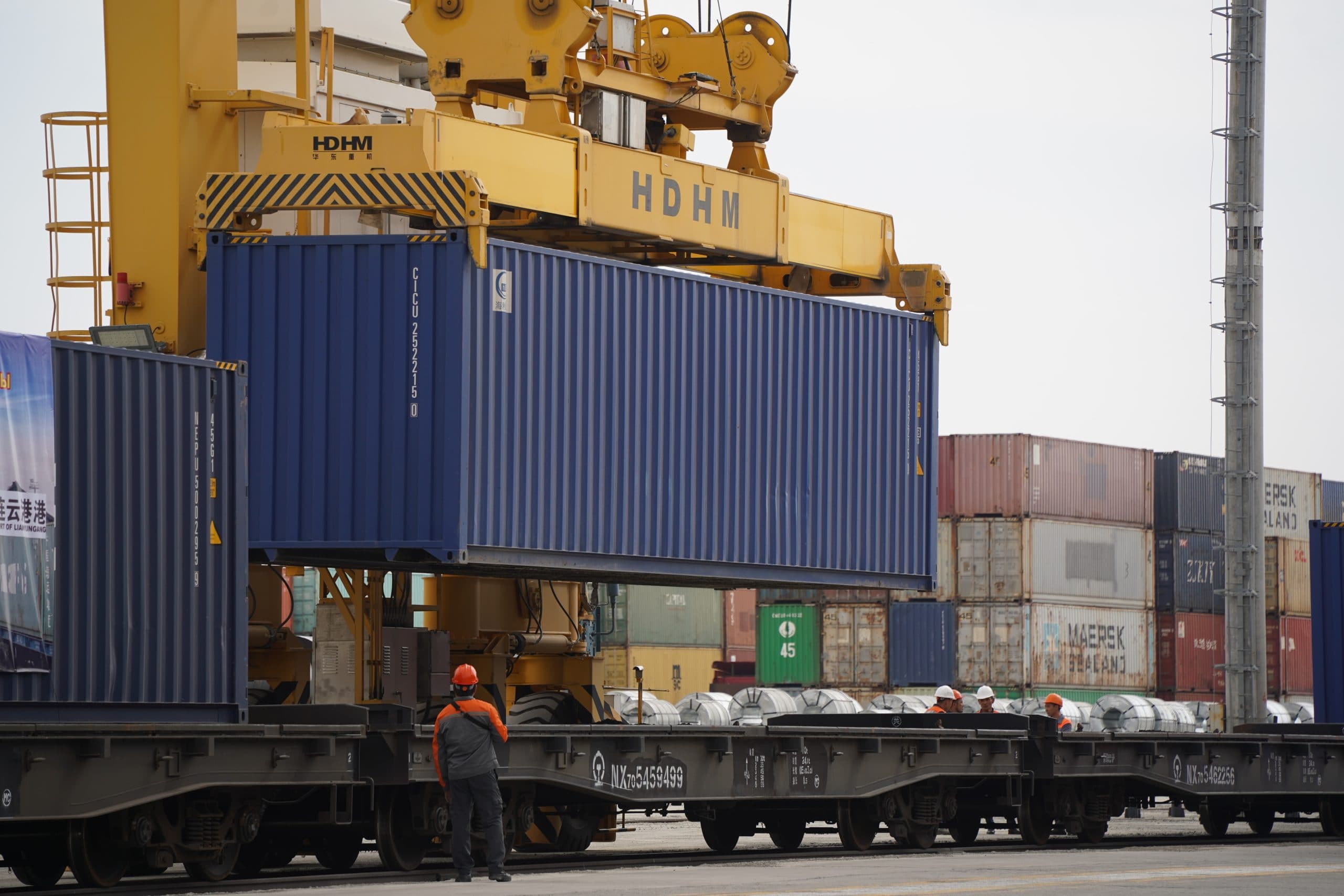
Logistics companies are demonstrating a growing interest in utilizing alternative rail corridors for freight transport across Eurasia, with particular attention to routes like the Middle Corridor. This shift is highlighted in a recent report by an Italian container logistics firm, indicating a strategic re-evaluation of established East-West rail connections.
The increased focus on these alternative routes stems from a need to enhance supply chain resilience and reduce dependence on traditional pathways, which have faced various disruptions. Geopolitical developments and the pursuit of more stable and efficient transit options are key factors influencing this commercial interest.
For freight forwarders and shippers, this development signifies potential new routing possibilities, offering greater flexibility and risk mitigation. While these alternative corridors may present different transit times or cost structures compared to conventional routes, they provide valuable options for cargo planning, especially for shipments between Asia and Europe. Forwarders should monitor the development and operational capabilities of these routes to assess their viability for specific client needs and cargo types.
Further details from the report are expected to shed more light on the specific commercial advantages and operational considerations for these emerging Eurasian rail corridors.