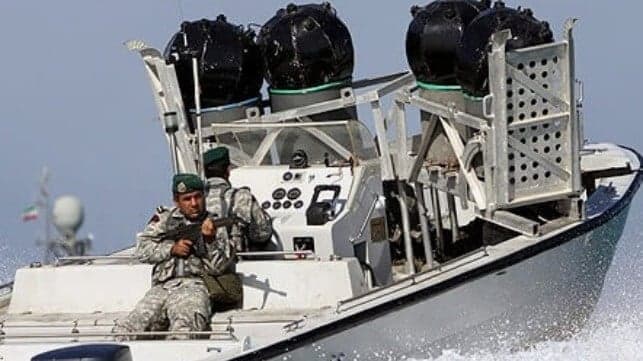
The Islamic Revolutionary Guard Corps (IRGC) Navy of Iran has reportedly declined a proposal from the International Maritime Organization (IMO) aimed at establishing a safe passage framework for vessels transiting the Strait of Hormuz. This rejection signals ongoing tensions in the region and could complicate efforts to ensure predictable and secure maritime trade through one of the world's most vital oil transit chokepoints.
For freight forwarders and shippers, this development is significant. The Strait of Hormuz is a critical waterway for global energy and trade flows. The IRGC Navy's stance could lead to heightened uncertainty regarding vessel safety and transit times. This might result in increased war risk insurance premiums for voyages through the strait, affecting overall shipping costs. Forwarders may need to consider potential delays or re-evaluate routing options, although viable alternatives for this specific chokepoint are limited. Operational managers should monitor the situation closely for any changes in advisory or security protocols from carriers and maritime authorities.