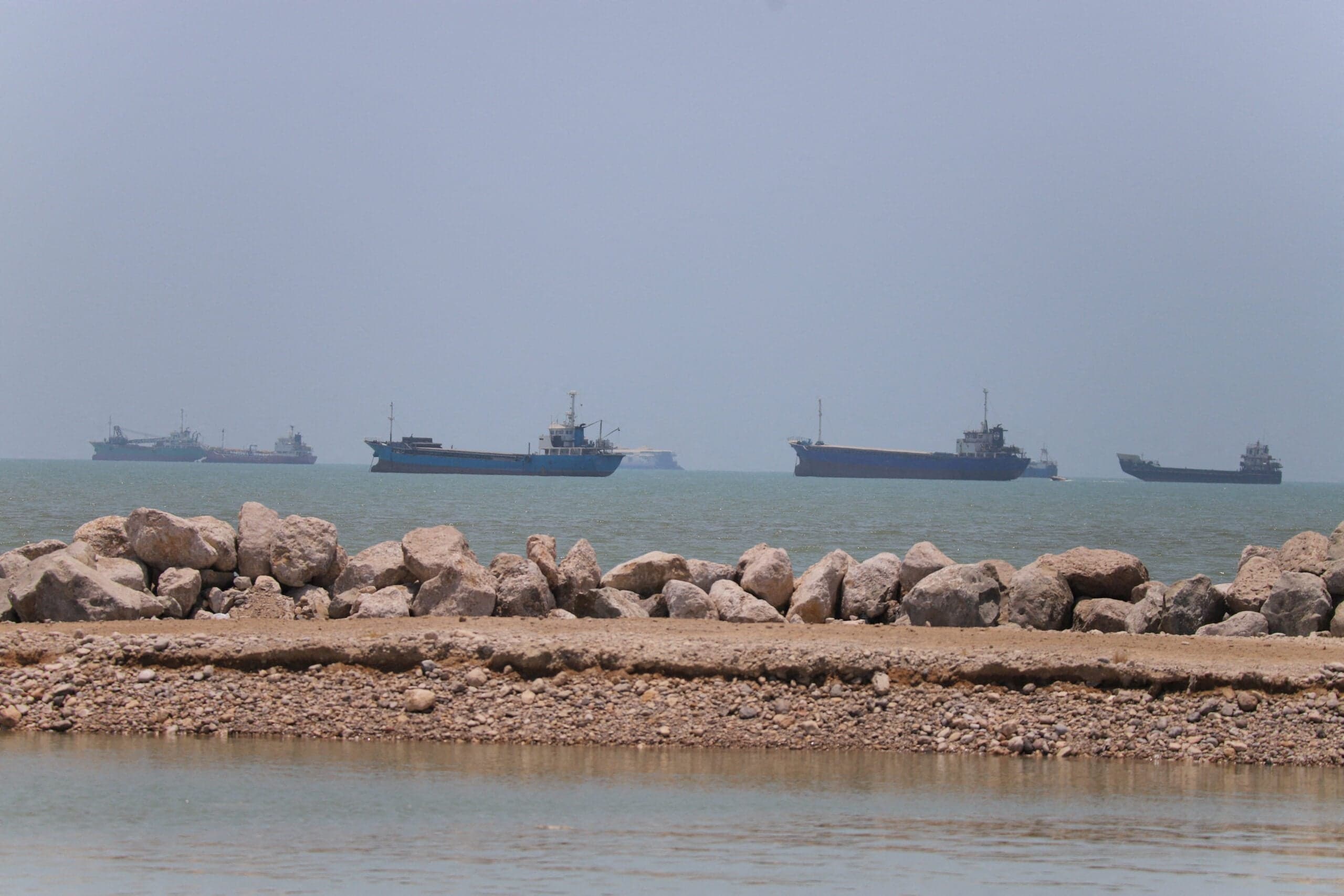
Iran has reportedly closed the Strait of Hormuz to all shipping traffic, alleging a violation of a ceasefire agreement. This move, if enforced, represents a significant escalation in regional tensions and poses a direct threat to global maritime trade, particularly the transit of oil and liquefied natural gas (LNG).
The Strait of Hormuz is a narrow chokepoint between the Persian Gulf and the Gulf of Oman, through which approximately one-fifth of the world's total oil consumption and a substantial portion of LNG pass daily. Previous threats or disruptions in this area have historically led to spikes in energy prices and increased insurance costs for vessels.
For freight forwarders and shippers, this situation could lead to immediate and severe consequences. The closure would necessitate re-routing vessels, causing significant delays and increased transit times. War risk premiums for shipments through the region would likely surge, directly impacting freight costs. Capacity on alternative routes, if available, would be strained. Forwarders must closely monitor the situation for any official confirmation or de-escalation, and prepare contingency plans for shipments destined for or originating from the Persian Gulf. This could involve exploring alternative transport modes or holding cargo until the situation stabilizes.
The article also mentions Iran sending a team for talks in Switzerland, suggesting a diplomatic channel remains open despite the aggressive posture regarding the Strait.