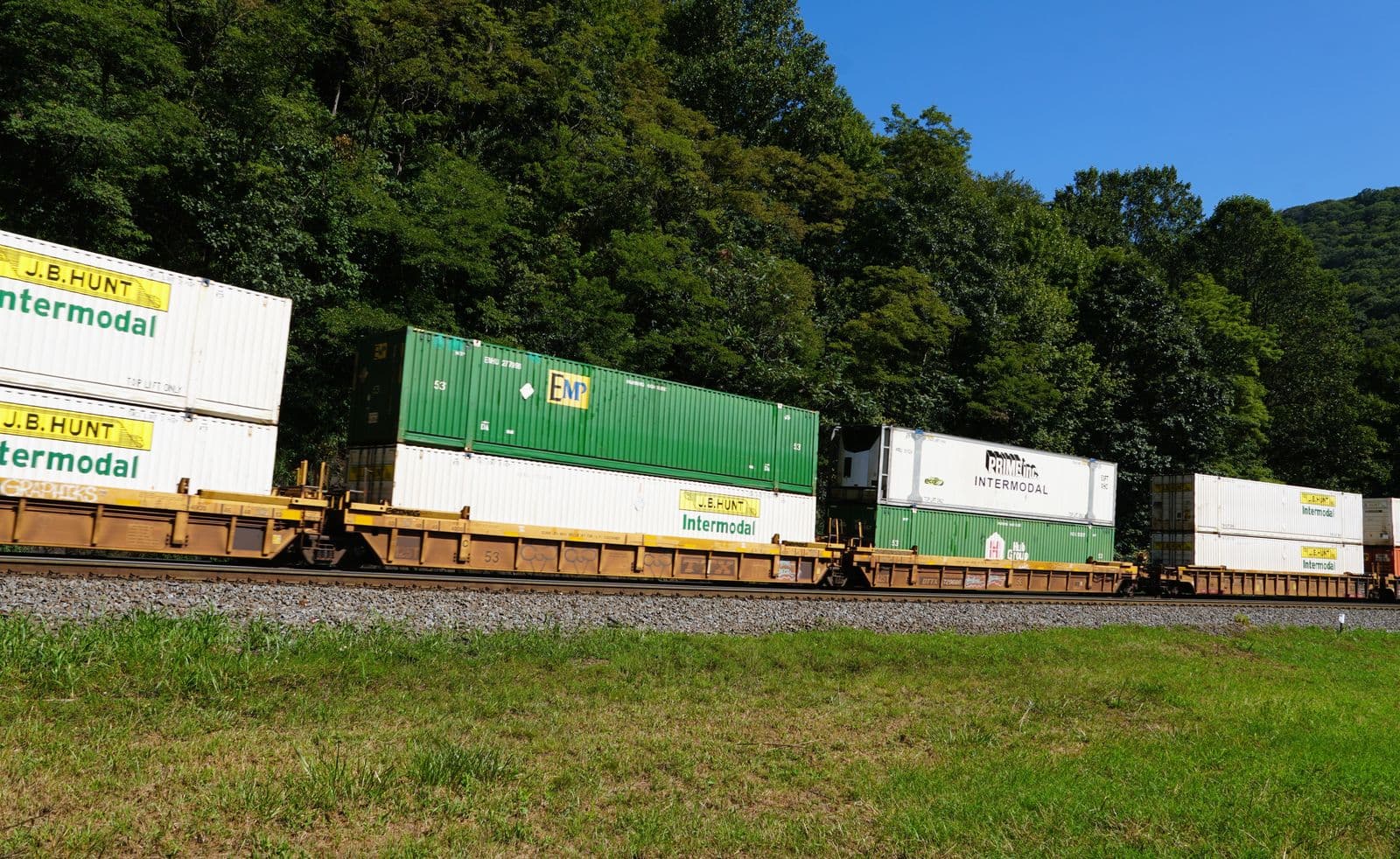
Intermodal freight rates are currently on an upward trajectory for shippers, a development occurring significantly in advance of the scheduled 2027 contract negotiations. This increase is primarily driven by asset-based intermodal marketing companies (IMCs) opting to reject freight that offers lower profit margins. As a result, shippers are being compelled to move deeper into their routing guides, often utilizing less optimal or more expensive transportation options.
For freight forwarders and operations managers, this situation translates into immediate cost pressures and potential challenges in securing competitive rates for their clients. The rejection of lower-priced freight by IMCs indicates a shift in market dynamics, where capacity might be tightening or carriers are prioritizing higher-yield cargo. This could lead to increased lead times for booking intermodal services and a greater need for flexibility in routing strategies. Forwarders should anticipate higher spot market rates and advise shippers to review their intermodal strategies, potentially exploring alternative modes or adjusting their budget expectations for inland transportation.
This pre-contractual rate hike suggests a robust demand environment or a strategic move by IMCs to position themselves favorably for the upcoming contract season. Shippers should prepare for potentially tougher negotiations and higher baseline rates when 2027 contracts are discussed.