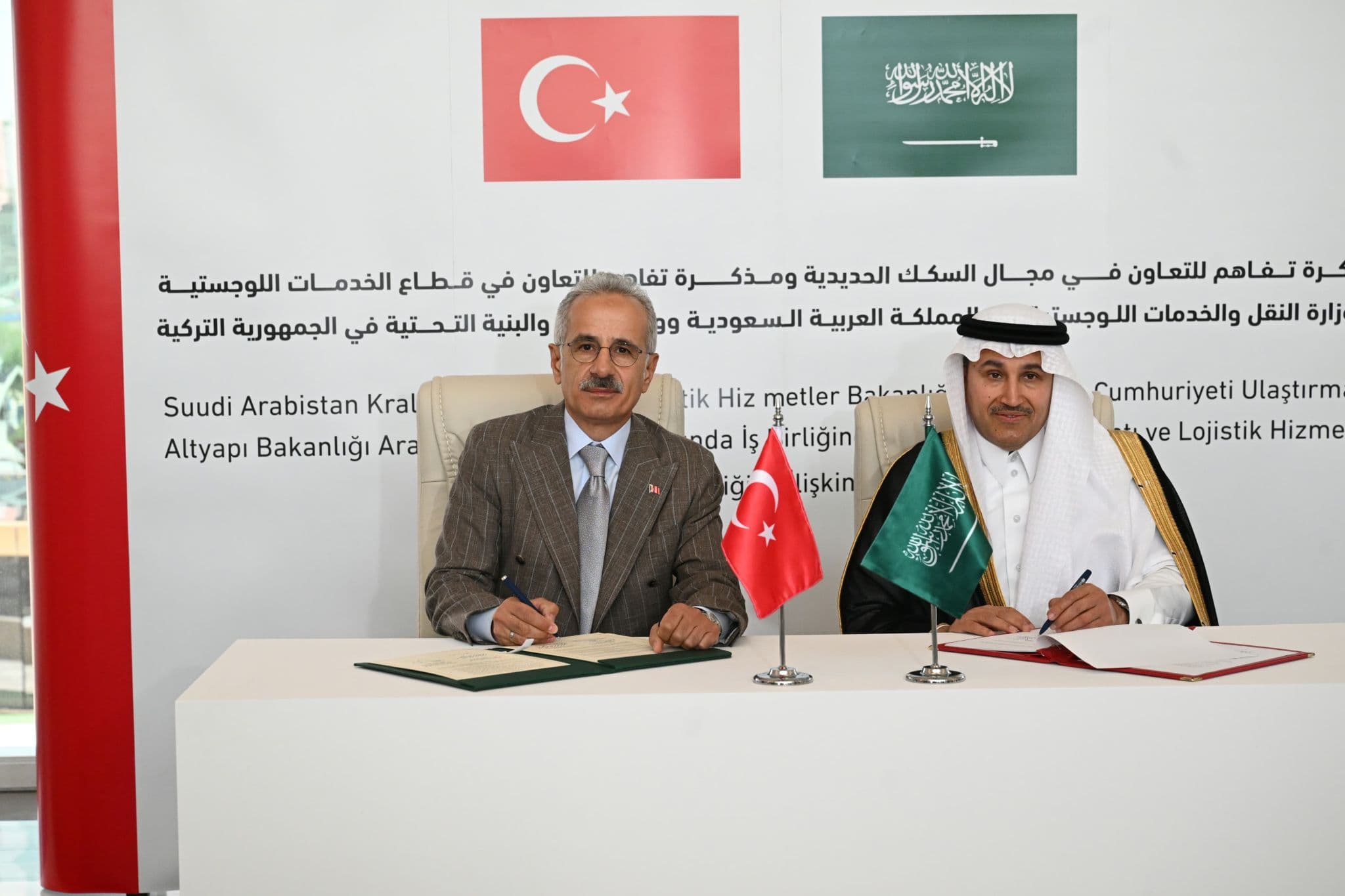
Turkish Transport and Infrastructure Minister Abdulkadir Uraloğlu recently engaged in discussions in Saudi Arabia regarding the potential reconstruction of the historic Hejaz Railway. This railway, originally built in the early 20th century, aimed to connect Damascus with Medina and Mecca. While the concept of revitalizing this route to link Turkey with Saudi Arabia was discussed, industry experts and historical context suggest the project faces considerable obstacles.
The original Hejaz Railway project was a monumental undertaking for its time, connecting the Levant with the Arabian Peninsula. Its modern revival would entail rebuilding extensive sections of track, much of which has been disused or dismantled for over a century. The proposed route would traverse diverse and often challenging terrains, requiring significant engineering and infrastructure investment.
For freight forwarders and supply chain managers, the prospect of a direct rail link between Turkey and Saudi Arabia could theoretically offer a new multimodal routing option, potentially reducing transit times and costs for certain cargo types compared to sea or road. However, the current assessment indicates that such a project is highly improbable in the short to medium term due to the sheer scale of investment required and the complex geopolitical landscape. Therefore, forwarders should not anticipate this route as a viable option for planning or capacity allocation in the foreseeable future.
While the discussions indicate a desire for enhanced regional connectivity, the practical implementation of a project of this magnitude would require extensive planning, funding, and international cooperation that is not currently in place. The article suggests that the project remains largely aspirational rather than an imminent development.