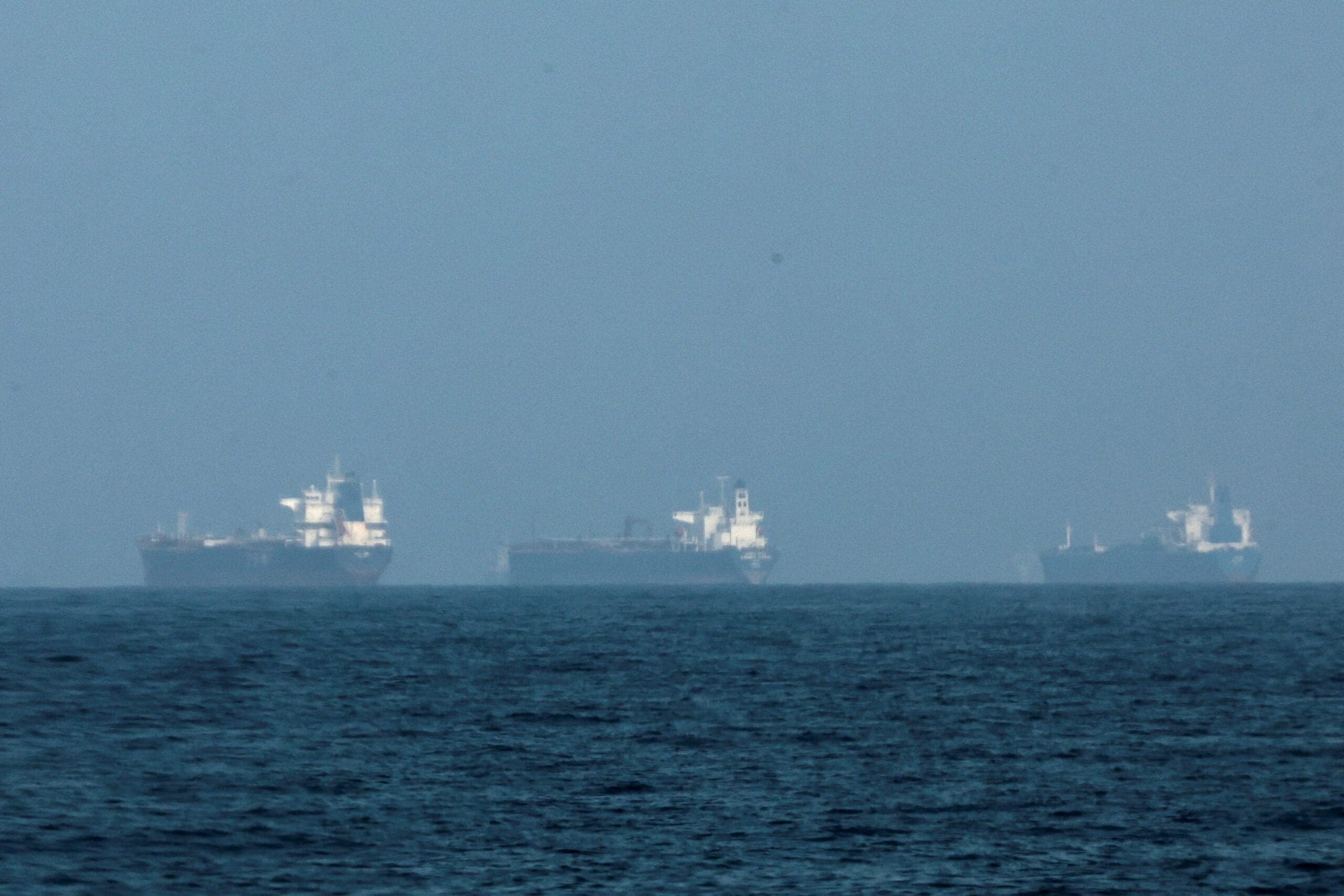
Greek oil tanker owners are reportedly repositioning their vessels near the Persian Gulf, a strategic move driven by the anticipation of the Strait of Hormuz reopening. This decision reflects a calculated gamble to secure lucrative freight rates that could emerge once the vital shipping lane becomes fully operational and accessible. The owners are betting on a surge in demand and pricing for tanker services, aiming to be among the first to benefit from renewed traffic through the strait.
For freight forwarders and operations managers, this development signals potential volatility in tanker availability and rates in the region. If the Strait of Hormuz indeed reopens, it could lead to a temporary increase in vessel supply, potentially stabilizing or even slightly reducing spot rates in the short term as more capacity becomes available. Conversely, if the reopening is delayed or partial, the current positioning could exacerbate capacity tightness and maintain elevated rates for oil shipments. Forwarders should monitor geopolitical developments closely and consider the implications for crude oil and refined product logistics, as disruptions or ease of passage through this choke point directly impact global energy supply chains and associated shipping costs.