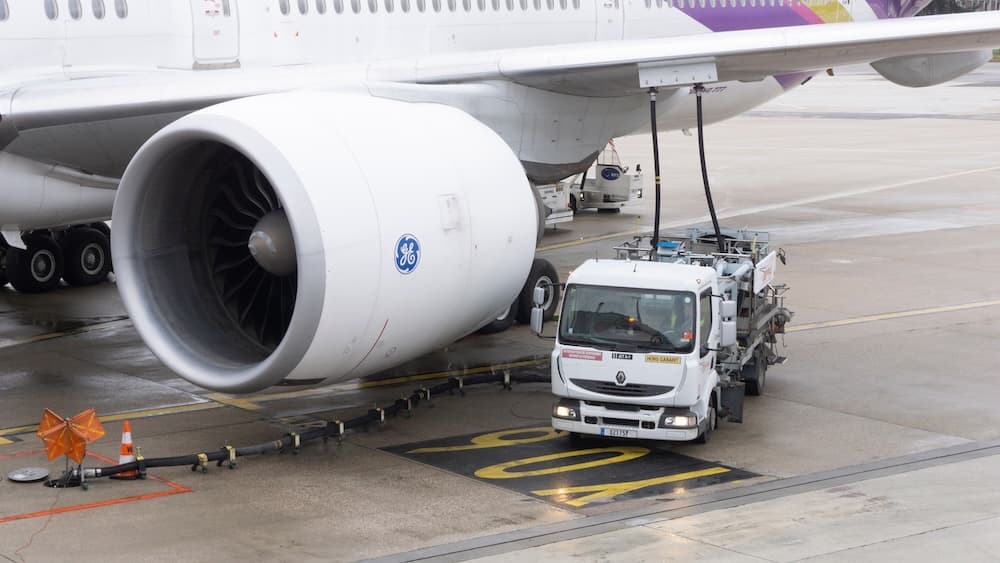
The air cargo market, particularly on Asian trade lanes, is experiencing significant disruption due to the unpredictable nature of fuel surcharge adjustments. It is not merely the absolute price of fuel but the inconsistent timing of these surcharges that is creating challenges for supply chain planning. This volatility is directly impacting decisions related to cargo routing, the selection of transport modes, and overall procurement strategies.
Adding to this complexity is the layering of Sustainable Aviation Fuel (SAF) related costs on top of existing fuel surcharge mechanisms. This multi-layered approach to pricing is driving up the total landed costs for airfreight, making it harder for shippers and freight forwarders to forecast expenses accurately. The lack of clarity and frequent changes necessitate more agile and responsive budgeting processes.
For freight forwarders and operations managers, this means an increased need for real-time visibility into pricing structures and a greater emphasis on flexible contracting. The unpredictability makes long-term rate agreements riskier, potentially favoring spot market transactions or contracts with more frequent review clauses. It also highlights the importance of exploring multimodal options where feasible, as the cost differential between air and sea freight might narrow, or the predictability of other modes might become more appealing. Forwarders must communicate these cost fluctuations transparently to their clients to manage expectations and justify pricing.