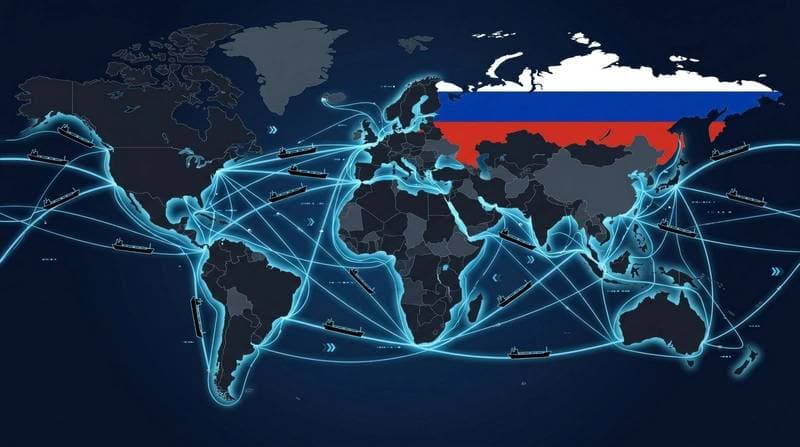
The French Navy recently intercepted a tanker in the Atlantic Ocean, suspecting it to be part of Russia's 'shadow fleet' engaged in the sanctioned oil trade. Following the interception, the vessel was directed to a port on the French mainland. This action has drawn strong condemnation from Russia, which labeled the incident as illegal and akin to 'international piracy'.
This event highlights the ongoing efforts by Western nations to enforce sanctions against Russia, particularly concerning its oil exports. The concept of a 'shadow fleet' refers to older, often less regulated vessels used to circumvent sanctions, making their operations opaque and harder to track.
For freight forwarders and supply chain managers, such incidents underscore the heightened geopolitical risks in maritime shipping. The interception of a vessel, even if not directly carrying containerized cargo, contributes to an environment of increased scrutiny and potential disruption for all shipping operations. It may lead to more rigorous checks on vessel ownership and cargo origins, potentially causing delays or requiring additional documentation for certain routes or vessel types. Forwarders should remain vigilant regarding the evolving landscape of sanctions enforcement and its potential impact on vessel availability and routing, particularly for sensitive cargo or regions.