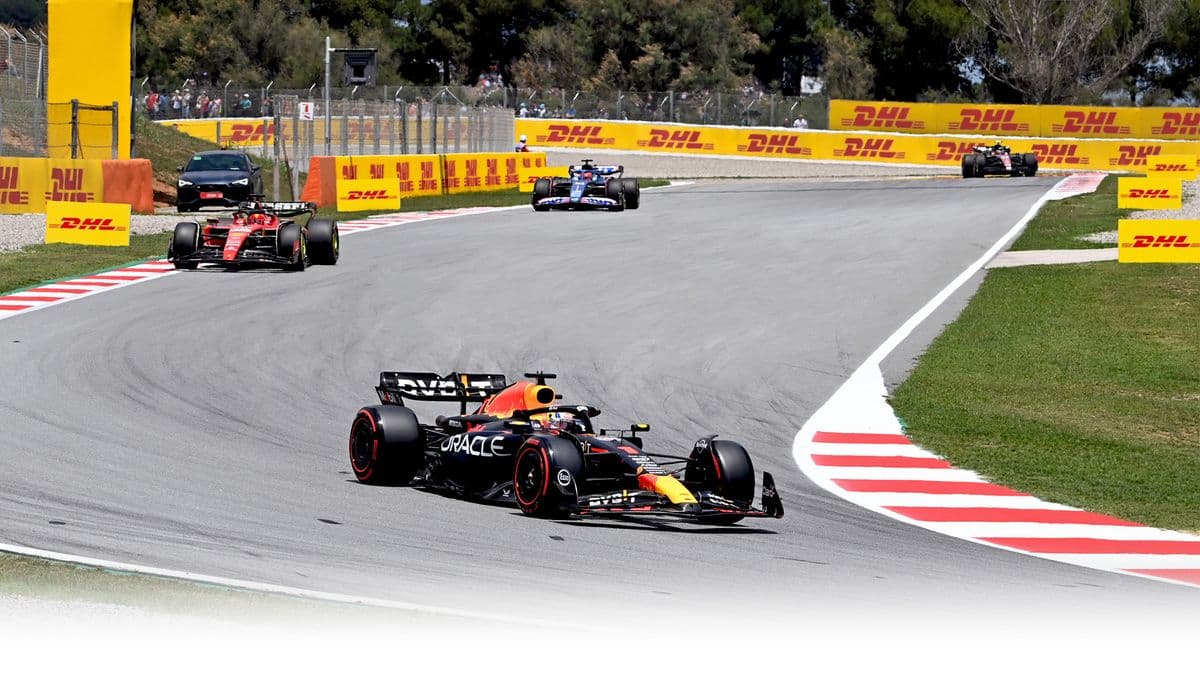
Formula 1 has announced a significant 35% reduction in its carbon footprint, as detailed in its latest Impact Report, using 2018 as the baseline. This achievement reflects a 27% decrease in emissions from travel and a 29% reduction in logistics-related emissions over the same period. The organization has actively introduced alternative energy solutions, such as hydrotreated vegetable oil, solar power, and battery storage systems, at its European events since 2025 to contribute to these environmental improvements.
For freight forwarders, this trend indicates a growing emphasis on sustainable logistics practices within major global events and industries. Shippers involved with Formula 1 or similar organizations will likely face increasing pressure to adopt greener transport solutions and provide transparent emissions reporting. This could lead to a higher demand for carriers offering sustainable fuel options, optimized routing, and multimodal transport solutions that minimize environmental impact. Forwarders should prepare to offer detailed carbon footprint analysis and eco-friendly logistics strategies to remain competitive in such sectors.