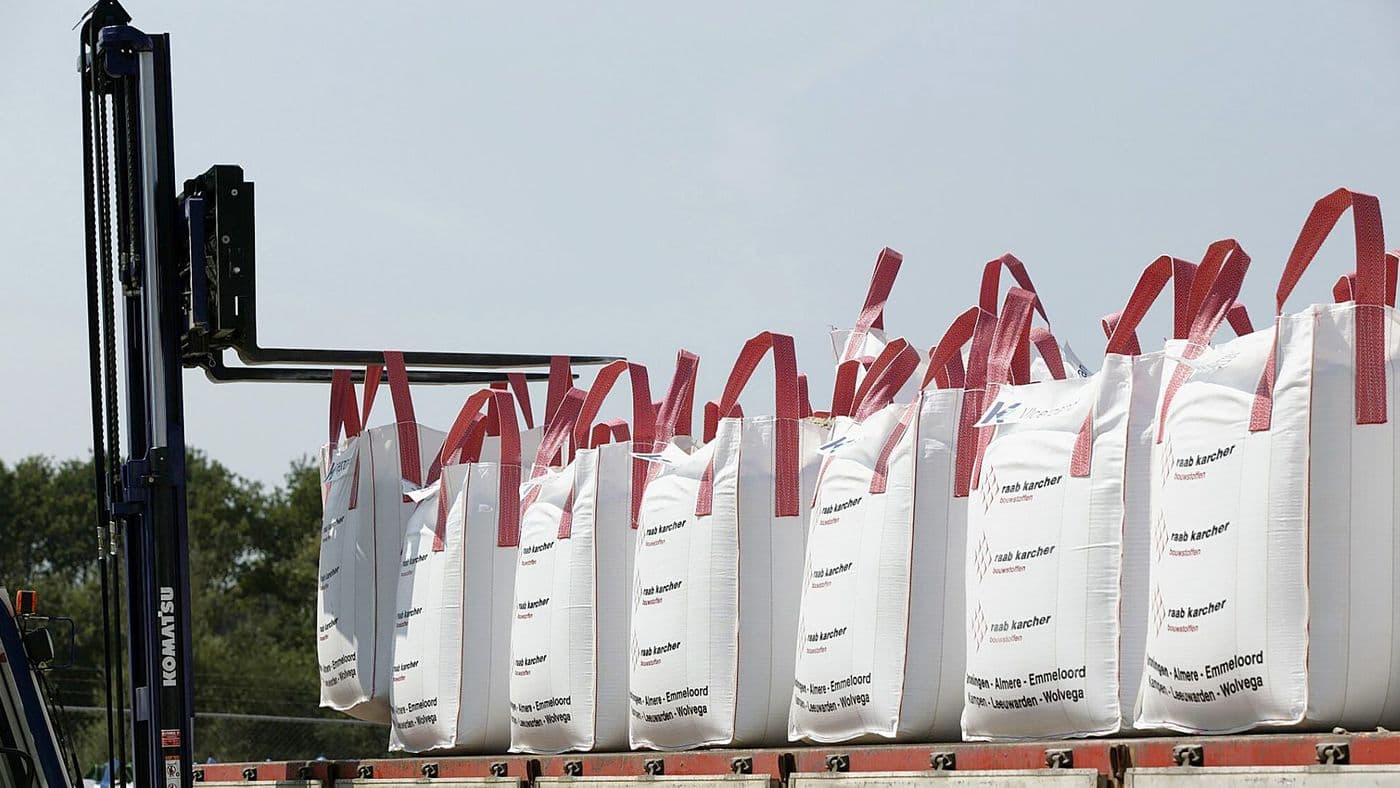
The European Union's Packaging and Packaging Waste Regulation (PPWR) is poised to implement new reuse requirements for certain packaging categories, effective from 2030. This regulatory shift carries substantial implications for numerous industrial supply chains, as businesses will need to adapt their packaging strategies to comply with these forthcoming mandates. A key area of uncertainty and discussion revolves around whether Flexible Intermediate Bulk Containers (FIBCs), widely used for transporting bulk goods, will fall under the scope of these new reuse obligations.
For freight forwarders and operations managers, this potential inclusion of FIBCs under reuse rules means a need to monitor developments closely. If FIBCs are indeed covered, it could necessitate changes in procurement practices, storage, and reverse logistics for these packaging materials. Forwarders might need to consider new services for collecting, cleaning, and redistributing reusable FIBCs, potentially impacting operational costs and lead times. It could also influence the choice of packaging for bulk shipments into or within the EU, favoring more durable or returnable options.
The regulation aims to reduce packaging waste and promote a circular economy within the EU. The specific criteria for which packaging types will be subject to reuse targets are still being clarified, but the potential inclusion of industrial packaging like FIBCs highlights the broad reach of this environmental initiative. Companies involved in importing or distributing goods in bulk within the EU should prepare for potential adjustments to their supply chain models to ensure compliance and mitigate any operational disruptions.