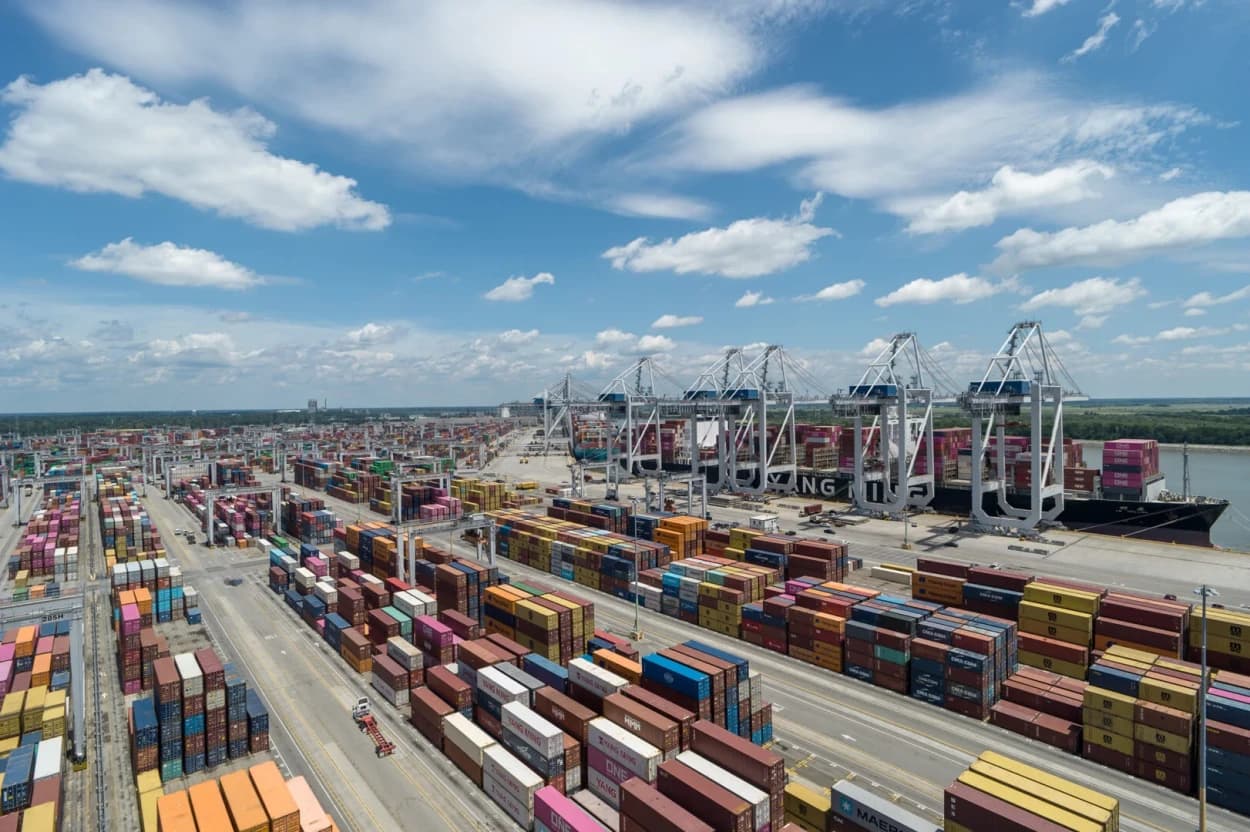
The Port of Los Angeles is observing an earlier-than-anticipated peak shipping season, characterized by a significant increase in cargo volumes. This surge is largely attributed to importers strategically frontloading goods. The primary motivation behind this accelerated shipping activity is to pre-empt potential increases in fuel costs, which directly affect transportation expenses. Additionally, businesses are reacting to the evolving and sometimes unpredictable nature of U.S. trade policies, seeking to secure inventory before any adverse changes take effect. This trend is further bolstered by resilient consumer spending, which continues to drive demand for imported products.
For freight forwarders and operations managers, this early peak season indicates a potential shift in traditional shipping calendars. Forwarders should anticipate sustained demand and potentially tighter capacity on transpacific lanes earlier in the year. Shippers may face increased rates and longer lead times if they do not plan accordingly. Monitoring fuel price forecasts and trade policy developments will be crucial for strategic routing and pricing decisions. The frontloading strategy suggests a proactive approach by beneficial cargo owners (BCOs) to manage supply chain risks, which forwarders should be prepared to support with flexible and responsive logistics solutions.