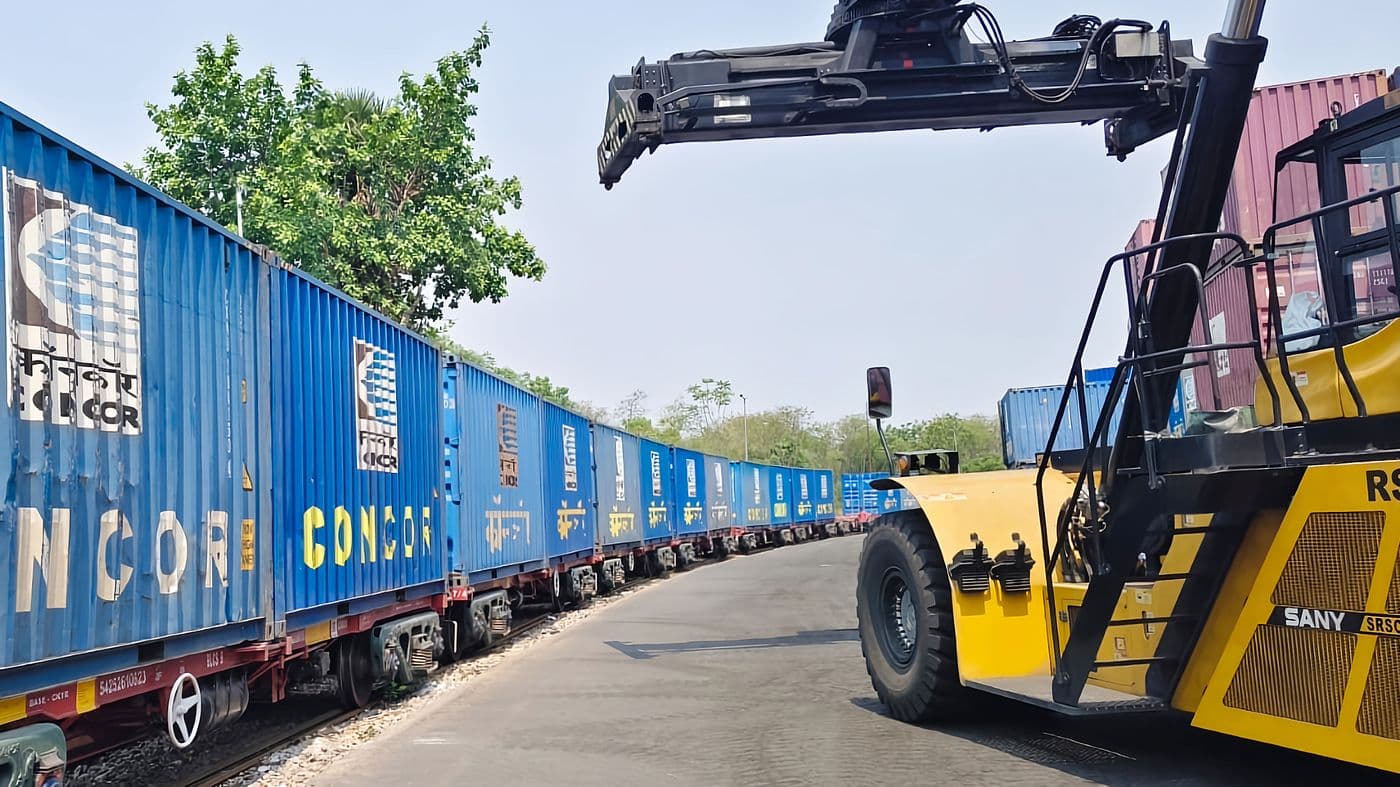
Container Corporation of India (CONCOR) has launched a substantial tender for 100 reachstackers, a move that has drawn scrutiny regarding the involvement of Micro, Small, and Medium Enterprises (MSMEs). The tender's terms stipulate that a single vendor must supply all 100 units, a requirement that industry observers believe could effectively exclude smaller Indian manufacturers from participating. This approach potentially undermines the Indian government's broader agenda to promote local manufacturing and foster the growth of MSMEs within the country.
This development comes as India intensifies its focus on industrial and economic expansion, identifying logistics as a critical sector for both development and risk management. The government has actively promoted policies aimed at empowering MSMEs, recognizing their vital role in job creation and economic diversification. However, the structure of this particular tender appears to contradict these objectives by favoring larger, established suppliers, possibly international ones, over domestic smaller-scale producers.
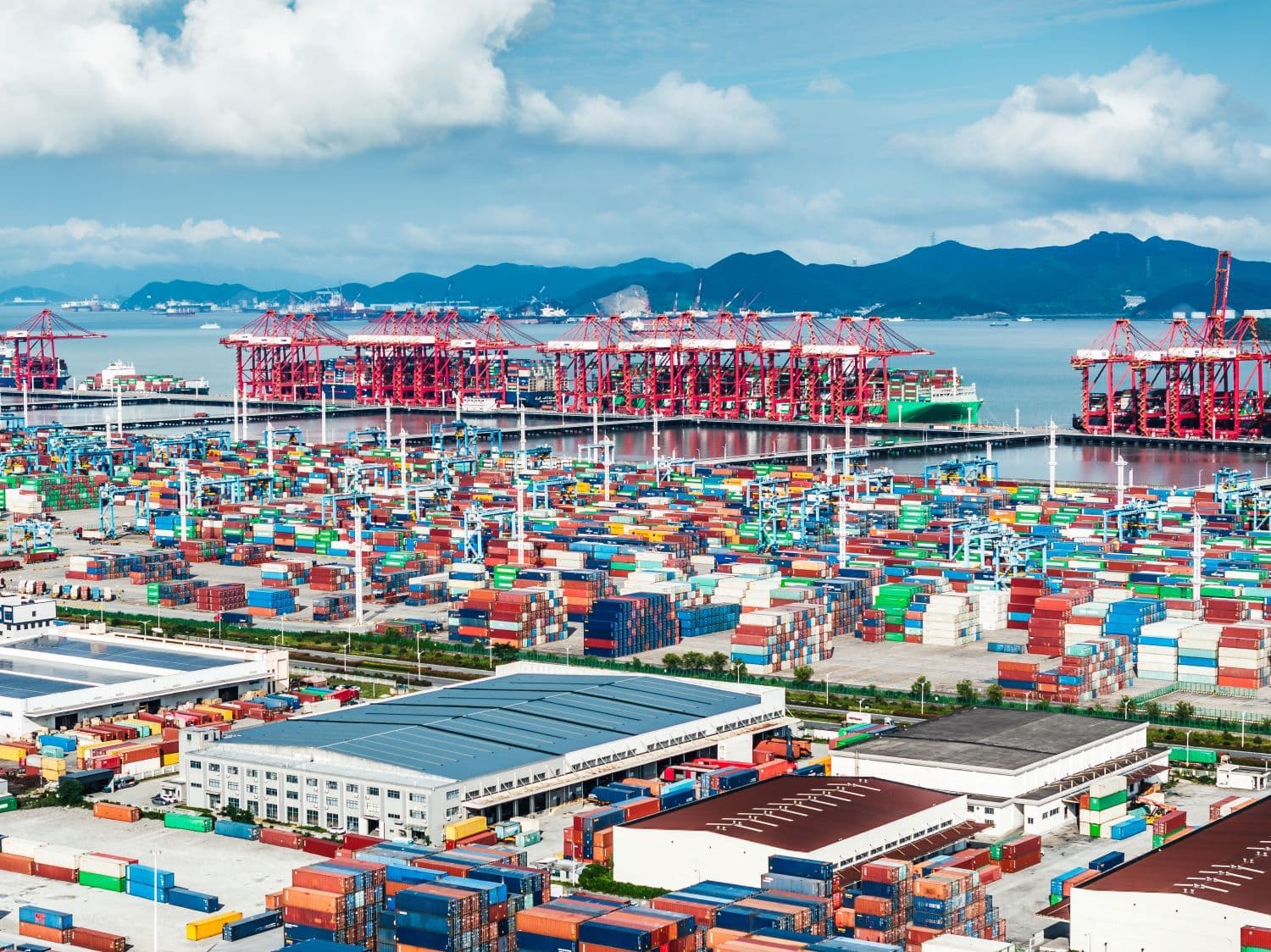
For freight forwarders and logistics operators in India, this situation could have several implications. If the tender leads to a concentration of equipment supply among a few large players, it might affect the diversity of equipment available for terminal operations, potentially influencing maintenance and spare parts availability in the long term. While the immediate impact on rates or capacity is not direct, a less competitive supply chain for critical handling equipment could lead to higher operational costs for terminal operators, which might eventually trickle down to logistics service providers through increased handling charges. Furthermore, it highlights a potential disconnect between national industrial policy and procurement practices within state-owned enterprises, which could affect the broader ecosystem of logistics equipment manufacturing in India.