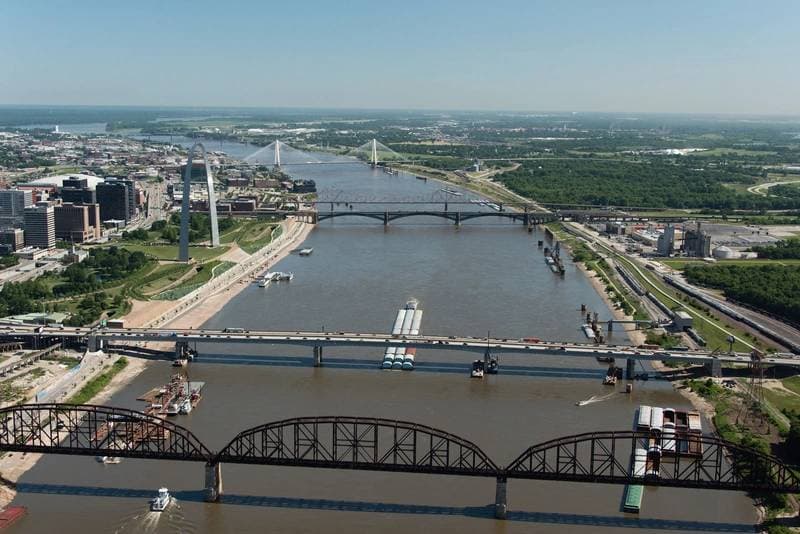
The United States' inland waterway system is experiencing significant challenges due to severe weather events, deteriorating infrastructure, and an escalating demand for freight transport. Industry and government leaders emphasize that sustained collaboration between public and private entities is indispensable for upholding the system's navigation reliability.
This need for cooperation stems from the critical role inland waterways play in the nation's supply chain, moving a substantial volume of goods efficiently. Without concerted efforts to address these pressures, disruptions to freight movement could become more frequent and severe.
For freight forwarders and operations managers, this focus on collaboration suggests a potential for more stable and predictable inland waterway transport in the long term, provided these partnerships are effective. However, in the short term, ongoing infrastructure challenges and weather impacts may still lead to occasional delays or necessitate alternative routing. Forwarders should monitor developments in waterway maintenance and capacity improvements, as these will directly influence transit times and operational planning for shipments utilizing barges and river transport.
While the article does not specify immediate next steps, the ongoing dialogue between sectors indicates a commitment to finding solutions to these systemic issues, which may include joint funding for infrastructure projects and coordinated responses to disruptions.