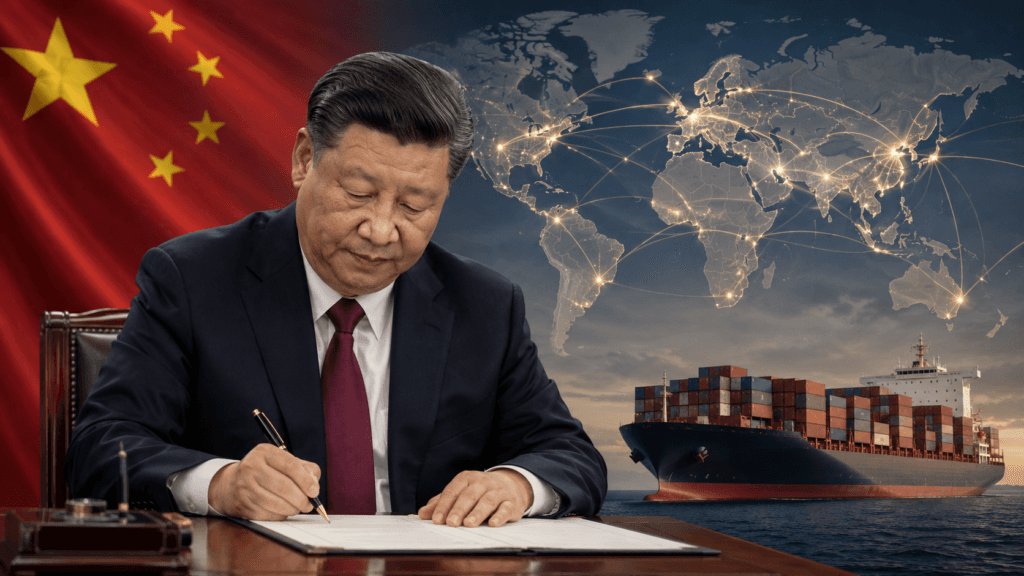
China is actively establishing a robust legal and policy architecture to exert greater influence and control over global supply chains. This strategic move is intended to safeguard its economic interests, ensure the stability of critical supply lines, and reduce vulnerability to international geopolitical and economic pressures. The framework encompasses a range of legislative measures and administrative directives that aim to shape how goods flow into and out of the country, as well as how Chinese companies operate within the global logistics network.
For freight forwarders and shippers, this evolving legal landscape in China could introduce new complexities and compliance requirements. It may necessitate a deeper understanding of Chinese regulations related to data security, export controls, and foreign investment, potentially affecting routing decisions, carrier selection, and overall supply chain resilience planning. Forwarders might need to adapt their operational procedures to align with China's increased scrutiny and control, which could impact lead times and costs. Furthermore, the emphasis on securing critical resources could lead to shifts in global manufacturing and sourcing strategies, with potential implications for trade lanes and cargo volumes.