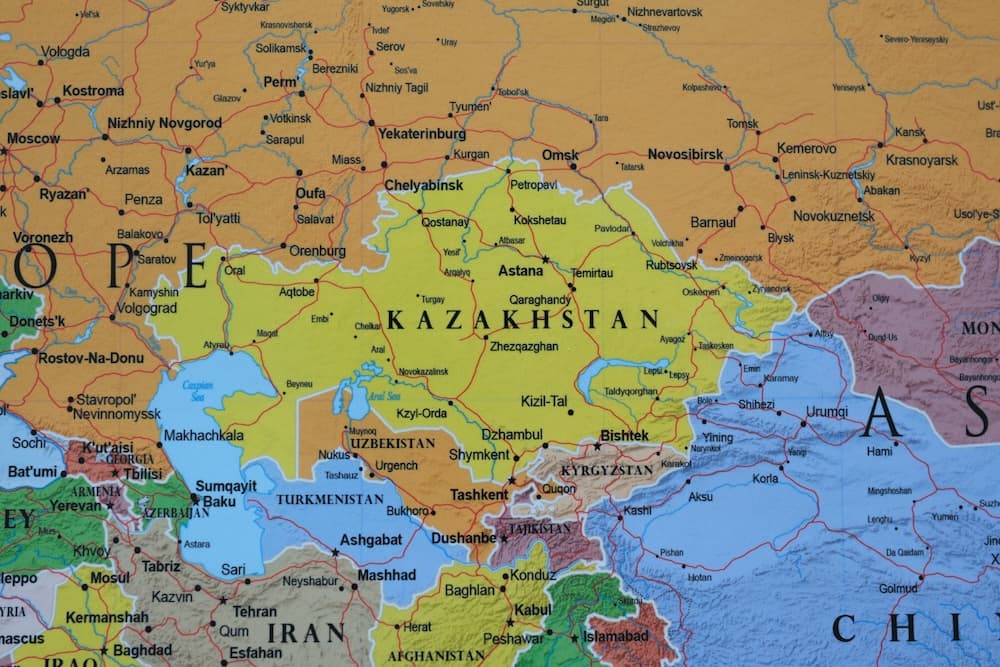
Central Asian nations, led by Uzbekistan, are increasingly establishing themselves as a vital and enduring component of global air cargo networks, rather than merely a contingency option. This strategic transformation is fueled by several factors, including the liberalization of air transport policies, ongoing geopolitical instability, and existing airspace constraints that have impacted traditional East-West routes.
Historically, Central Asia might have been viewed as a temporary workaround for air cargo movements. However, the region is now actively positioning itself as a structurally embedded corridor, offering a reliable and long-term connection between Asian manufacturing hubs and European markets. This development is particularly significant given the persistent disruptions affecting other major trade arteries.
For freight forwarders and operations managers, this structural shift means increased routing optionality and potentially more stable transit times for airfreight moving between Asia and Europe. As the region's infrastructure and regulatory frameworks mature, it could offer a more predictable and less volatile alternative to routes impacted by conflict or congestion. Forwarders should monitor the development of air cargo capacity, ground handling capabilities, and customs efficiency in Central Asian hubs to leverage these evolving trade lanes effectively. This could lead to new service offerings and competitive advantages for shippers seeking resilient supply chain solutions.