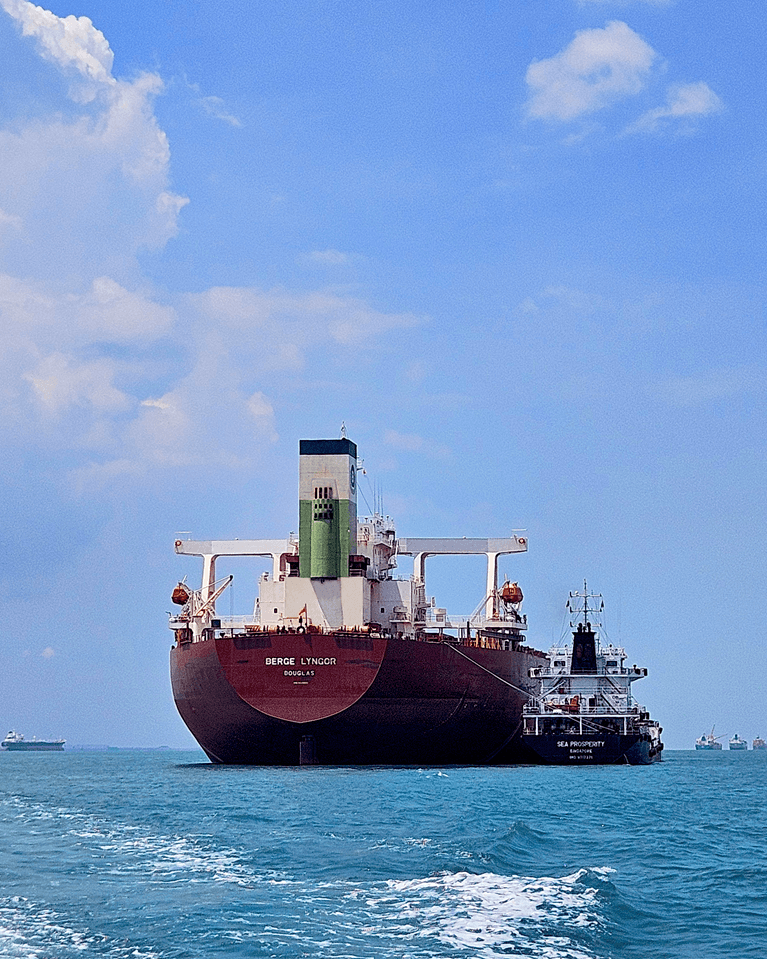
BHP and the Global Centre for Maritime Decarbonisation (GCMD) have completed a trial of a B100 biofuel blend on a bulk carrier chartered by BHP. This high-concentration biofuel, composed entirely of sustainable feedstocks like used cooking oil and waste animal fats, was introduced into the vessel's fuel supply chain. The trial's objective is to assess the operational performance, emissions reduction potential, and overall feasibility of using advanced biofuels in current maritime logistics without significant modifications to existing infrastructure.
This initiative is part of broader industry efforts to decarbonize shipping. The maritime sector faces increasing pressure to reduce its carbon footprint, with biofuels emerging as a promising interim solution. By utilizing a B100 blend, the project aims to gather critical data on engine performance, fuel handling, and emissions profiles, which will inform future policy and investment decisions regarding sustainable marine fuels.
For freight forwarders and shippers, the successful demonstration of B100 biofuel could signal a viable option for reducing Scope 3 emissions in their supply chains. As more carriers adopt such fuels, it may lead to the availability of 'green' shipping options, potentially impacting freight costs and offering a competitive advantage for environmentally conscious cargo owners. The wider adoption of these fuels could also contribute to more stable bunker prices in the long term, as reliance on fossil fuels diminishes.
While the source does not specify next steps, the successful completion of this trial is expected to pave the way for further testing and potentially wider adoption of high-concentration biofuels across the maritime industry, contributing to the sector's decarbonization goals.