The air cargo landscape between Asia-Pacific and Europe is undergoing a significant transformation, primarily fueled by a diverse range of commodities including e-commerce, pharmaceuticals, consumer electronics, and high-value industrial goods. This evolving demand profile is compelling a strategic shift away from the traditional reliance on a few major, often congested, European air cargo gateways.
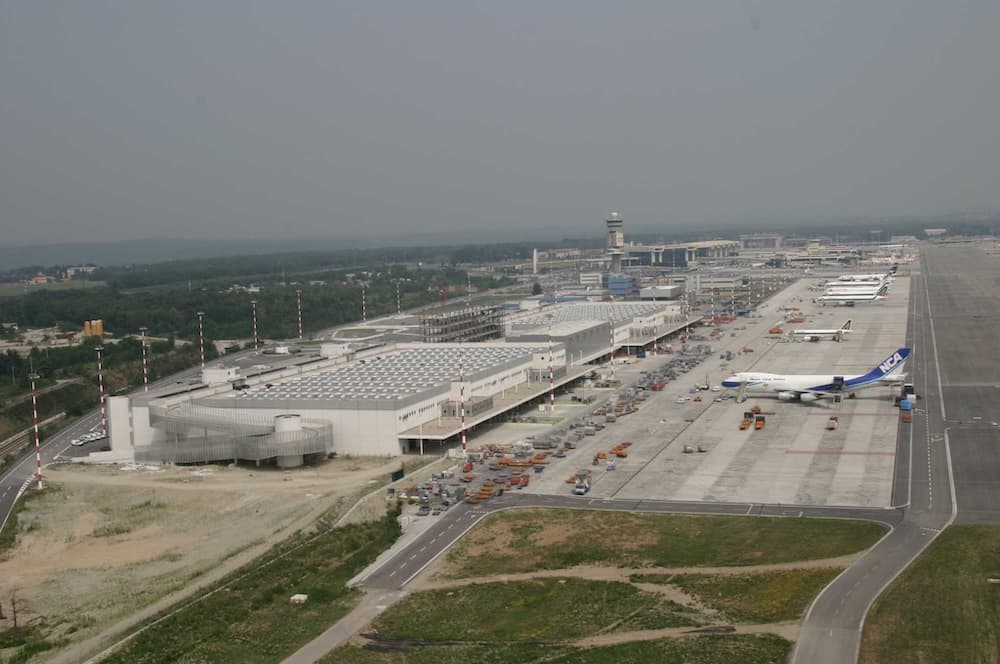
Secondary airports across Europe are increasingly stepping up to meet this demand, offering crucial advantages such as scalable capacity, enhanced operational resilience, and fewer infrastructure limitations. These hubs are actively competing by specializing in cargo services, which includes developing advanced facilities and streamlining processes to attract diverse freight flows.
For freight forwarders and logistics managers, this development presents both opportunities and challenges. It signifies a potential diversification of routing options, allowing for greater flexibility and potentially reducing transit times by avoiding bottlenecks at primary hubs. However, it also requires forwarders to adapt their network strategies, potentially engaging with new airport partners and optimizing ground handling and onward distribution from these emerging secondary gateways. The increased competition among airports could also lead to more tailored services and potentially more competitive pricing for specific cargo types.