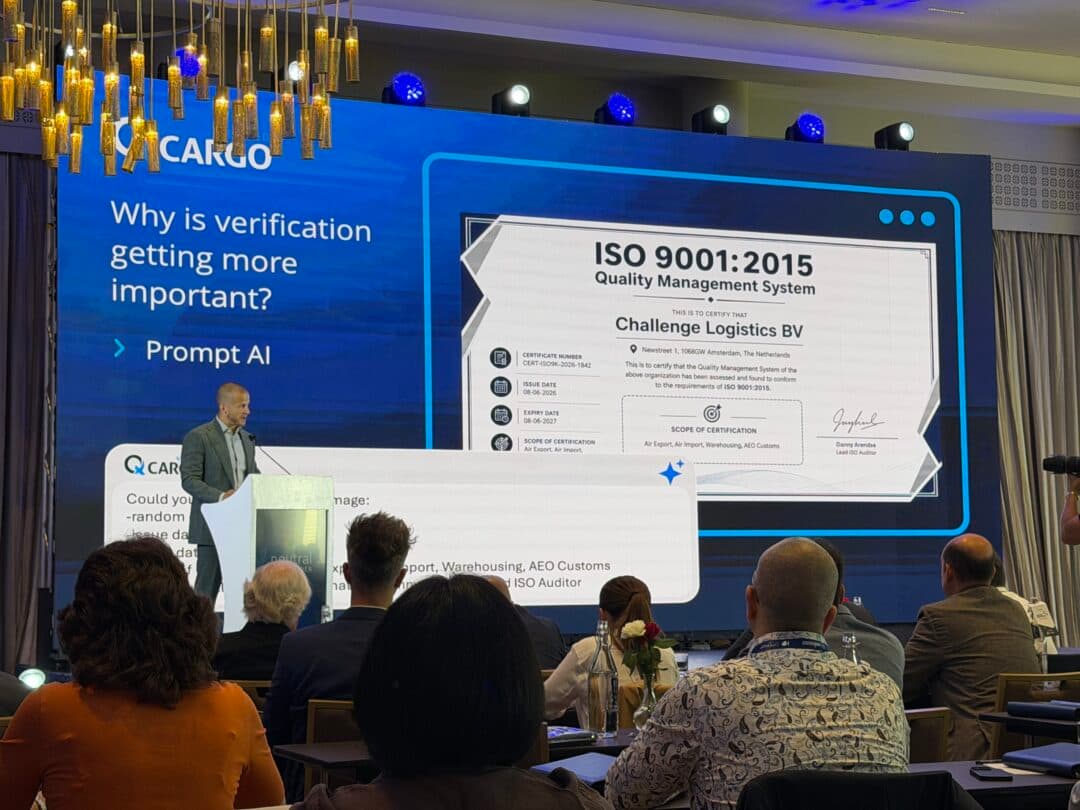
Airfreight operations are undergoing a significant transformation, moving towards an intelligence-led compliance framework. This new paradigm emphasizes the critical need for logistics stakeholders to verify their counterparties, documentation, and potential risk exposures in near real-time. Both regulatory bodies and financial institutions are increasingly mandating these stringent verification processes, effectively embedding trust as a fundamental operational requirement rather than a secondary administrative task.
Historically, verification in airfreight has relied on disparate, often manual procedures. The current shift aims to replace these with integrated digital workflows. This digitalization is designed to compress decision-making timelines, enhance efficiency, and bolster the overall security and reliability of air cargo movements. For freight forwarders and operations managers, this means a heightened focus on digital tools and platforms that can facilitate rapid, accurate data exchange and validation. The implication is a need to invest in or adopt technologies that support real-time data sharing and automated compliance checks, potentially impacting operational costs and requiring staff training on new systems. It also underscores the importance of robust digital partnerships and secure data infrastructure to meet these evolving demands.
This evolution is expected to continue as the industry seeks greater transparency and risk mitigation. Future developments will likely involve further integration of AI and machine learning to automate compliance, predict risks, and streamline the verification process even further, ultimately creating a more secure and efficient global airfreight ecosystem.