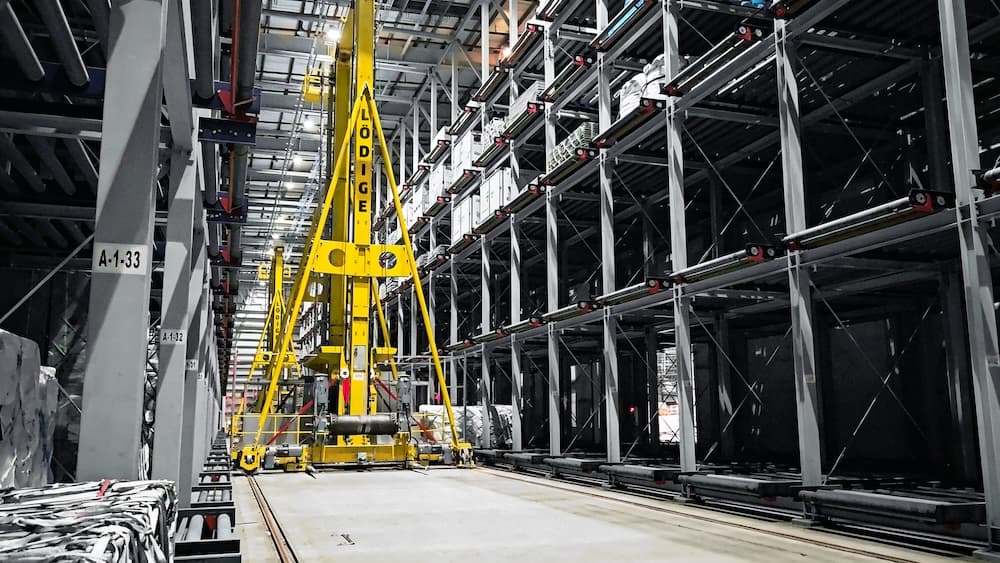
Air cargo terminals are increasingly adopting a phased approach to modernization, allowing them to upgrade automation and capacity while maintaining continuous operations. This strategy involves breaking down large projects into smaller, manageable stages, enabling operators to implement improvements without significant downtime or revenue loss. A key aspect of this method is "hardware continuity," which permits the replacement and upgrade of essential equipment within existing infrastructure, thereby avoiding costly interruptions.
For freight forwarders and their clients, this shift means greater reliability in air cargo services. Terminal upgrades can often lead to temporary capacity reductions or operational delays, impacting shipment schedules and costs. By modernizing in phases, terminals can sustain their throughput, ensuring that cargo continues to move efficiently. This approach helps mitigate potential disruptions to supply chains, offering more predictable transit times and consistent service levels for air freight.