The article explores the integration of artificial intelligence into maritime engineering, focusing on its potential to enhance critical tasks such as wire rope inspection. It uses the analogy of "chick sexing" to illustrate how experienced engineers develop intuitive expertise, a skill that AI can now complement and strengthen. This comparison underscores the value of combining human judgment with advanced technological capabilities.
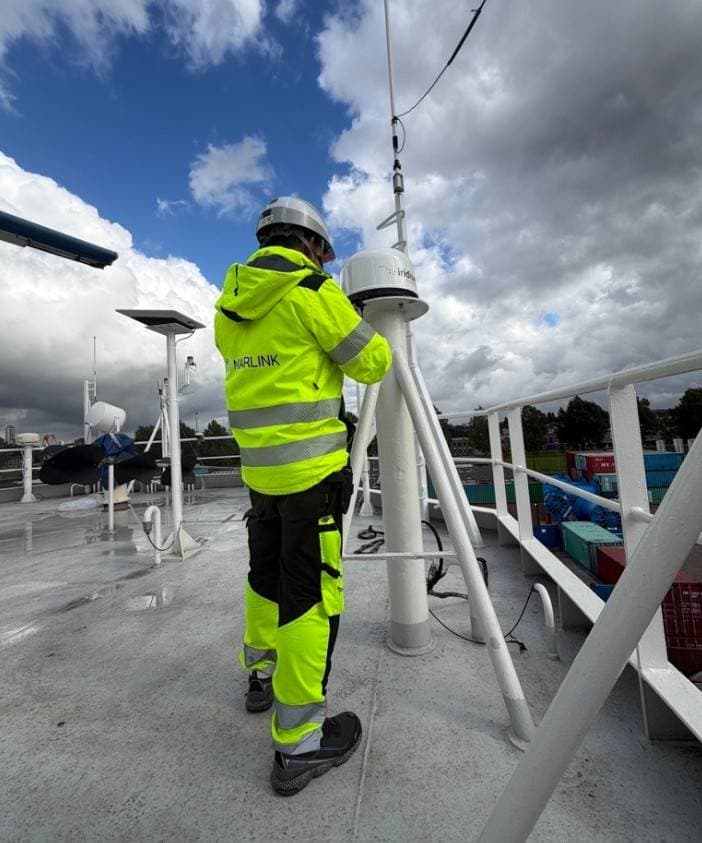
In the maritime industry, the integrity of equipment like wire ropes is paramount for safety and operational continuity. Traditional inspection methods often rely heavily on human experience and visual assessment, which can be subjective and prone to error. The introduction of AI-powered inspection systems offers a more objective and consistent approach, capable of detecting subtle anomalies that might be missed by the human eye.
For freight forwarders and operations managers, the adoption of AI in maritime maintenance translates to several benefits. Enhanced inspection accuracy can lead to fewer equipment failures, reducing the risk of delays, cargo damage, and unexpected repair costs. Improved maintenance schedules, informed by AI-driven predictive analytics, can optimize vessel uptime and improve schedule reliability. This ultimately contributes to more predictable supply chains and potentially lower insurance premiums due to reduced operational risks. While not directly impacting rates or capacity, it improves the underlying reliability of the assets carrying the cargo.
The article suggests that the future of maritime engineering will involve a synergistic relationship between human expertise and artificial intelligence, where AI tools serve to extend and refine the capabilities of experienced professionals rather than replacing them entirely. This collaborative model is expected to drive further advancements in safety and efficiency across the industry.