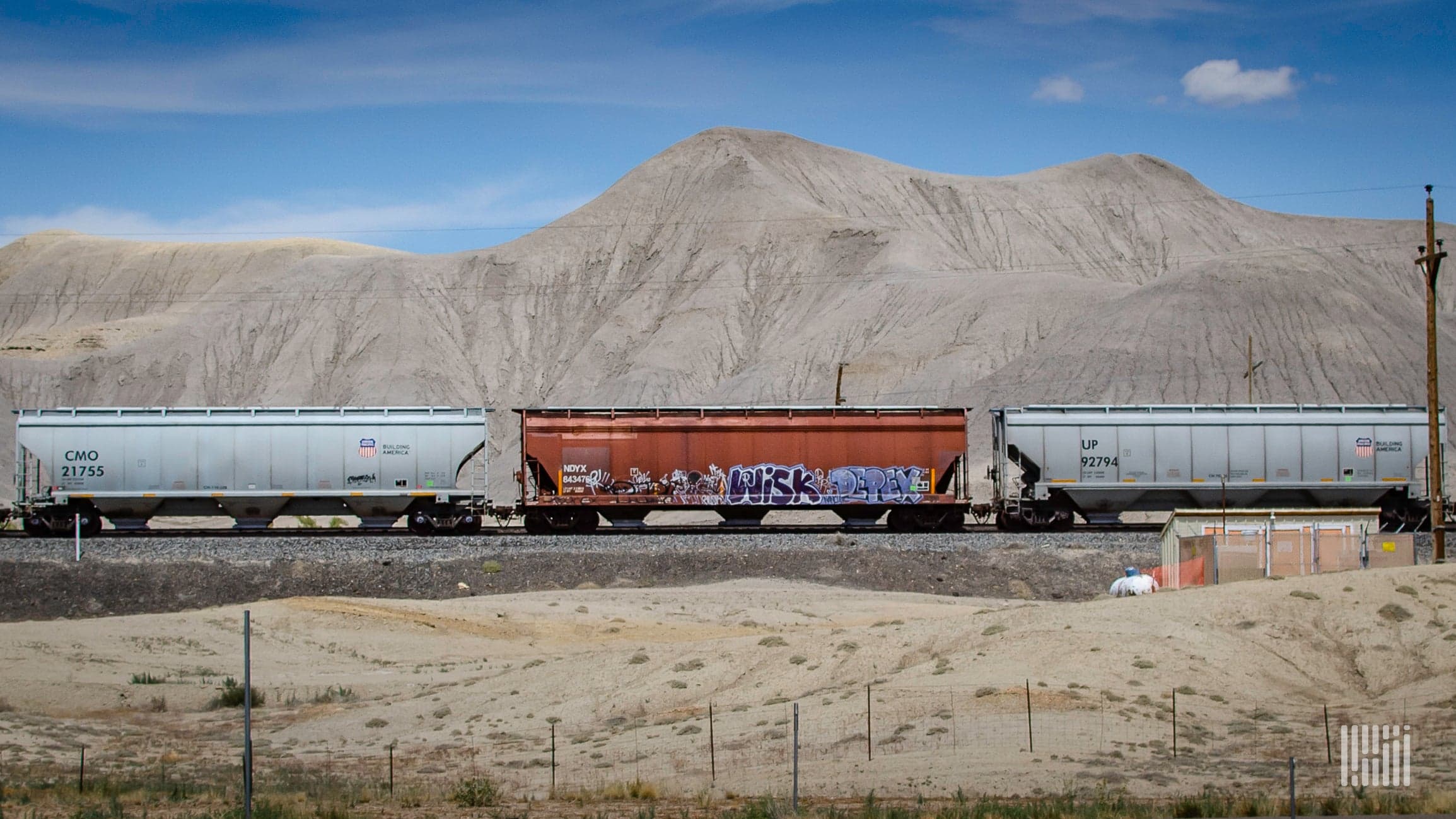
Agricultural product retailers have expressed significant concerns about the potential consequences of a proposed merger involving Union Pacific and Norfolk Southern. Their primary worries revolve around the expectation of increased freight rates and a deterioration in service quality should the consolidation of these major transcontinental railroads be approved. This sentiment suggests that the merger could lead to reduced competition, allowing the combined entity to exert greater pricing power and potentially lower service standards.
For freight forwarders and operations managers, such a merger could have substantial implications. A reduction in competitive rail options might limit routing flexibility and could lead to higher costs for inland transportation of agricultural goods. This could necessitate a re-evaluation of supply chain strategies, potentially shifting some volumes to other modes or seeking alternative rail providers where available, though options might be limited on specific lanes. The anticipated decline in service quality could also impact delivery schedules and reliability, requiring forwarders to build in greater buffer times or explore more robust contingency plans to mitigate disruptions.