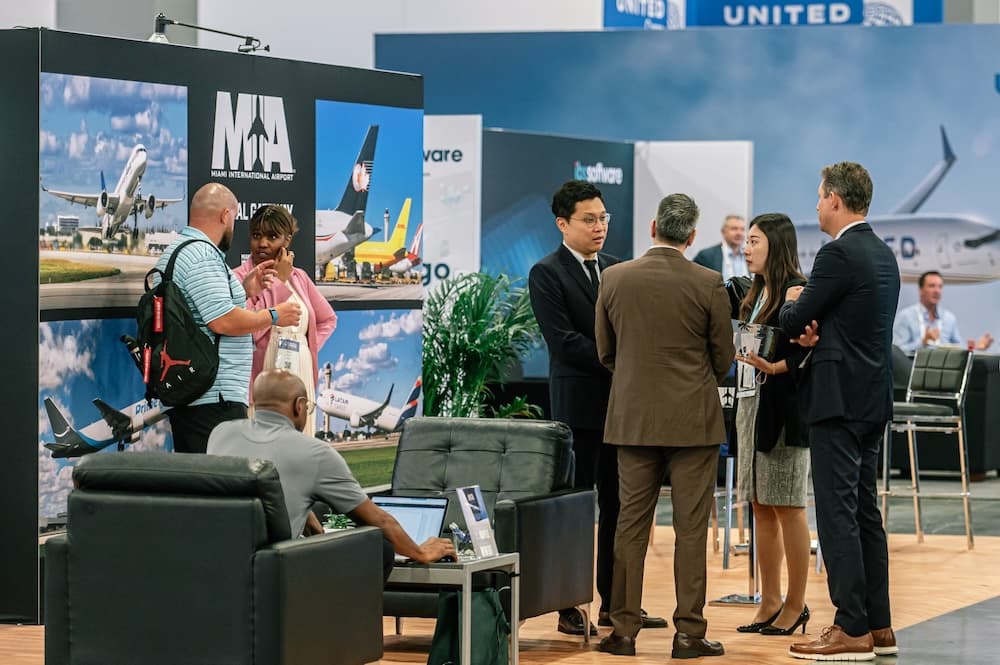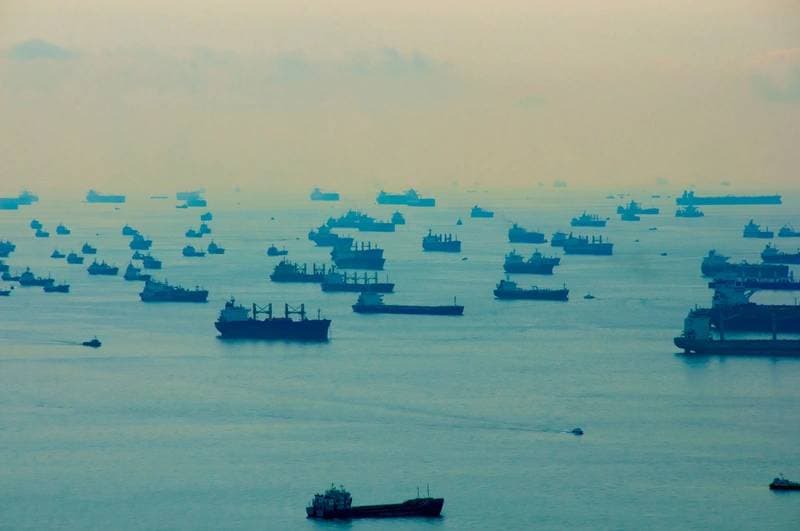
The "Port of the Future Conference" in Houston, Texas, featured discussions on the ambitious concept of "zero-queue ports." This paradigm envisions a future where no vessels are waiting at anchor and no trucks are idling in queues, representing a significant shift from current operational norms. Achieving this state requires extensive digitalization, including real-time data exchange, advanced predictive analytics, and seamless integration across the entire logistics chain.
Historically, port congestion has been a persistent challenge, leading to inefficiencies, increased costs, and environmental impacts. The traditional model often involves vessels arriving without precise, pre-assigned windows, contributing to waiting times. Similarly, truck movements are frequently uncoordinated, resulting in bottlenecks at terminal gates. The "zero-queue" approach seeks to fundamentally redesign these processes.
For freight forwarders and operations managers, the realization of zero-queue ports would mean vastly improved schedule reliability and predictability. Reduced vessel waiting times would lead to faster transit, potentially lowering demurrage and detention charges. Optimized truck flow would minimize inland transportation delays, enhancing overall supply chain efficiency. This model would require forwarders to integrate more deeply with port and carrier digital platforms, providing and receiving real-time updates to adjust their planning and execution. The emphasis on "time-as-a-service" implies a shift towards more precise, slot-based scheduling for both sea and landside operations, demanding greater coordination and data accuracy from all parties.
Moving forward, the implementation of such a system would necessitate significant investment in port infrastructure, digital platforms, and collaborative frameworks. It would also require a cultural shift towards greater transparency and data sharing among carriers, terminals, drayage companies, and shippers to ensure synchronized operations.