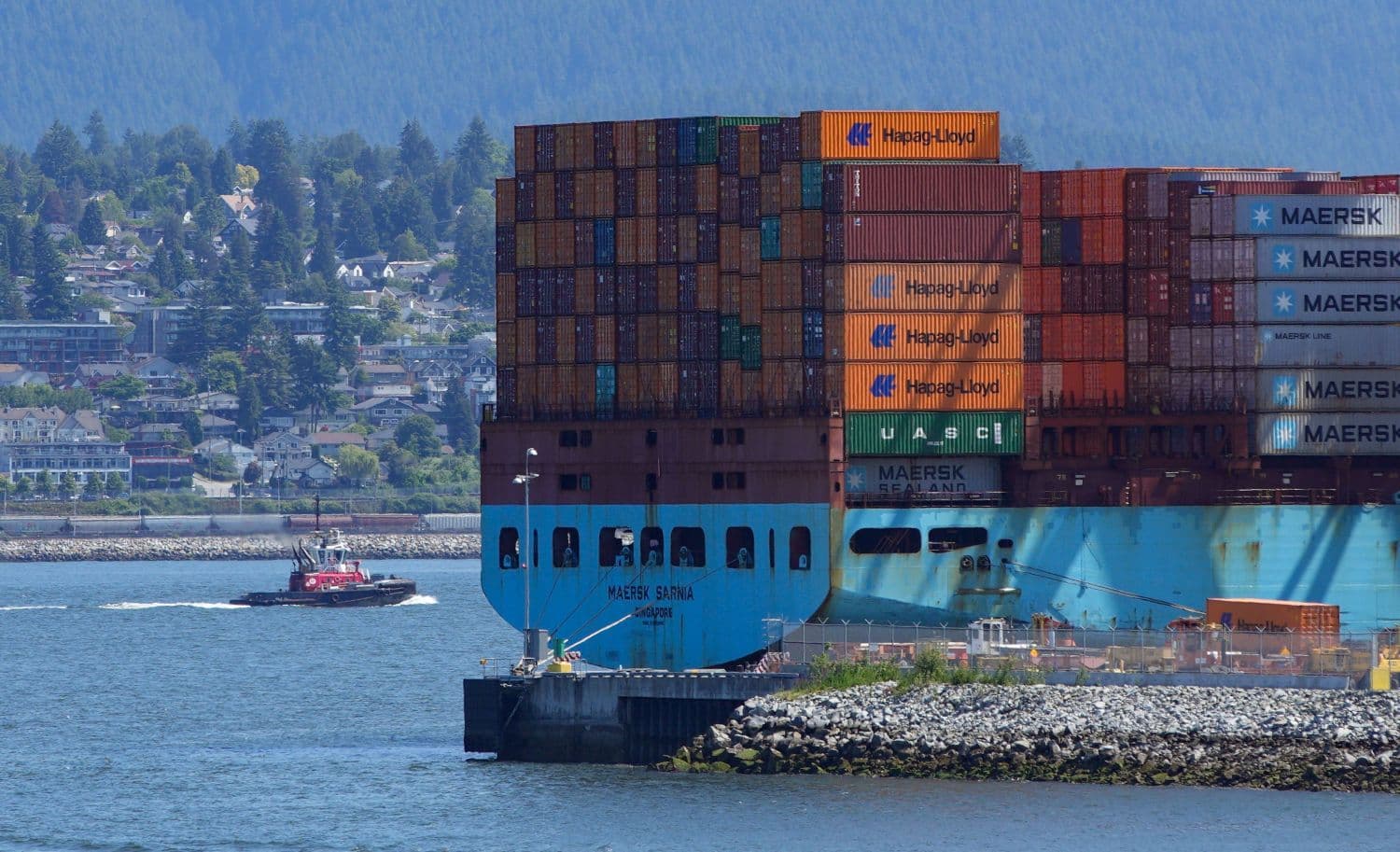
The ports of Vancouver and Prince Rupert reported robust year-over-year growth in eastbound trans-Pacific imports for the first quarter. This positive trend is largely a result of the ports' strategic focus on optimizing their intermodal rail connections to inland destinations across Canada and the United States.
This emphasis on improving intermodal efficiency, particularly for interior point intermodal (IPI) shipments, has allowed these Western Canadian gateways to attract more cargo originating from Asia. By streamlining the transfer of containers from vessels to rail, the ports aim to offer a competitive alternative for shippers targeting markets beyond the immediate coastal regions.
For freight forwarders and operations managers, this development suggests that Western Canadian ports are becoming increasingly viable options for trans-Pacific routes into North America, especially for cargo destined for the Midwest US or central Canada. Improved efficiency could lead to more reliable transit times and potentially competitive pricing for IPI services, offering alternatives to traditional US West Coast gateways. Forwarders should monitor rail capacity and service levels from these ports when planning routes.
Looking ahead, the continued investment in intermodal infrastructure and processes by these ports is expected to further solidify their position as key entry points for Asian imports into the North American continent.