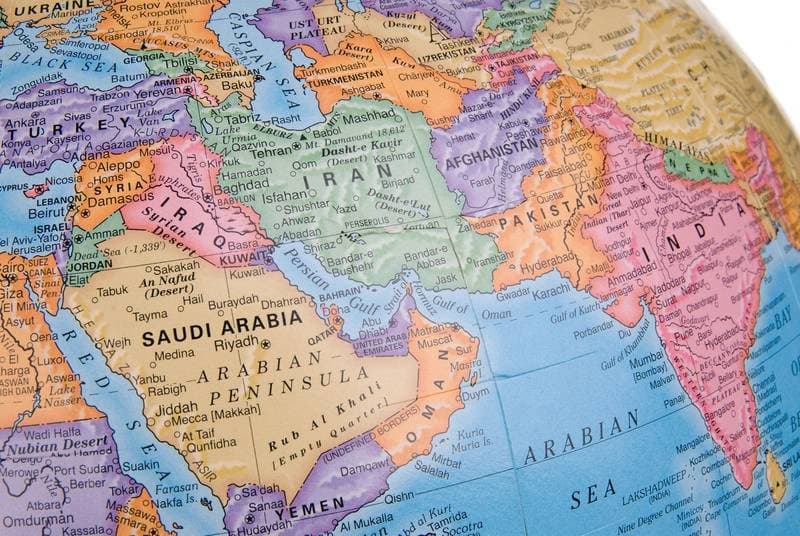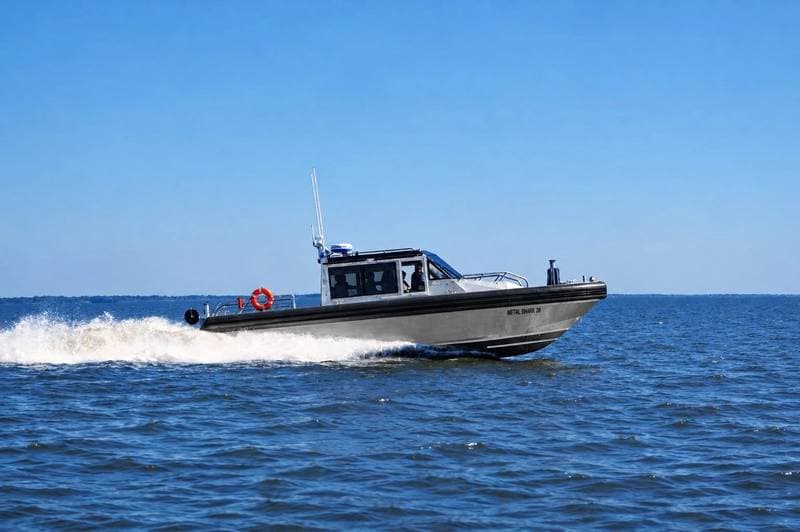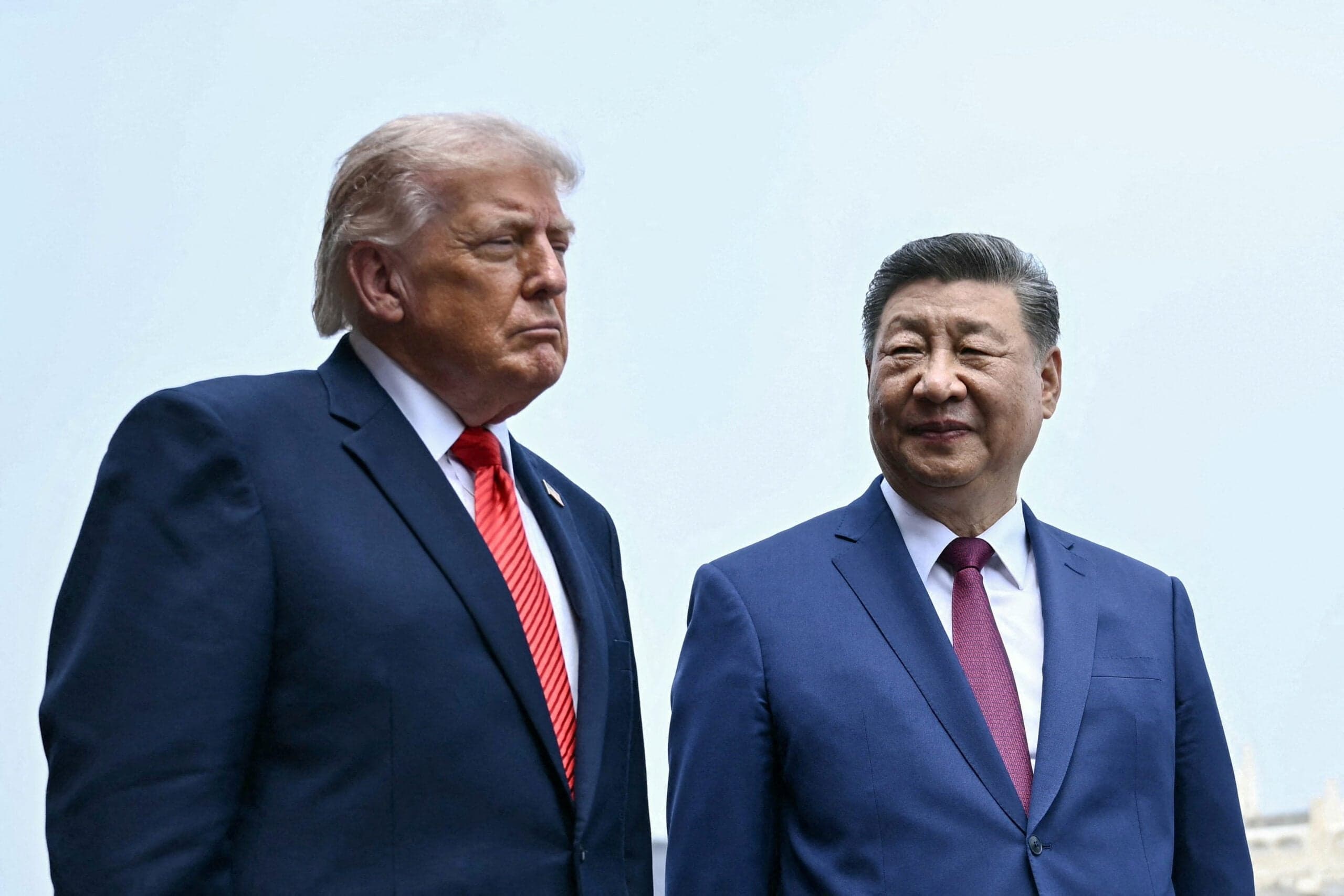
New attacks have targeted vessels operating in the vicinity of the Strait of Hormuz. These incidents occurred concurrently with a meeting in Beijing between U.S. President Donald Trump and Chinese President Xi Jinping, where the situation involving Iran was a key topic of discussion. The timing of these maritime security events serves as a stark reminder of the persistent instability in the region.
The Strait of Hormuz is a critical chokepoint for global oil shipments and international maritime trade. Previous tensions and incidents in this area have historically led to heightened security concerns and disruptions to shipping routes. The current attacks suggest a potential escalation of these issues, even as diplomatic efforts are underway.
For freight forwarders and shippers, these developments signal increased operational risks for vessels transiting the Strait of Hormuz. This could lead to higher insurance premiums, potential re-routing of cargo, and extended transit times. Forwarders should monitor security advisories closely and communicate proactively with carriers and clients about potential delays or surcharges. Capacity might be affected if carriers opt to avoid the area or implement stricter security protocols, impacting overall supply chain reliability.
The article does not specify any immediate next steps or resolutions, indicating that the situation remains dynamic and subject to ongoing diplomatic and security developments.