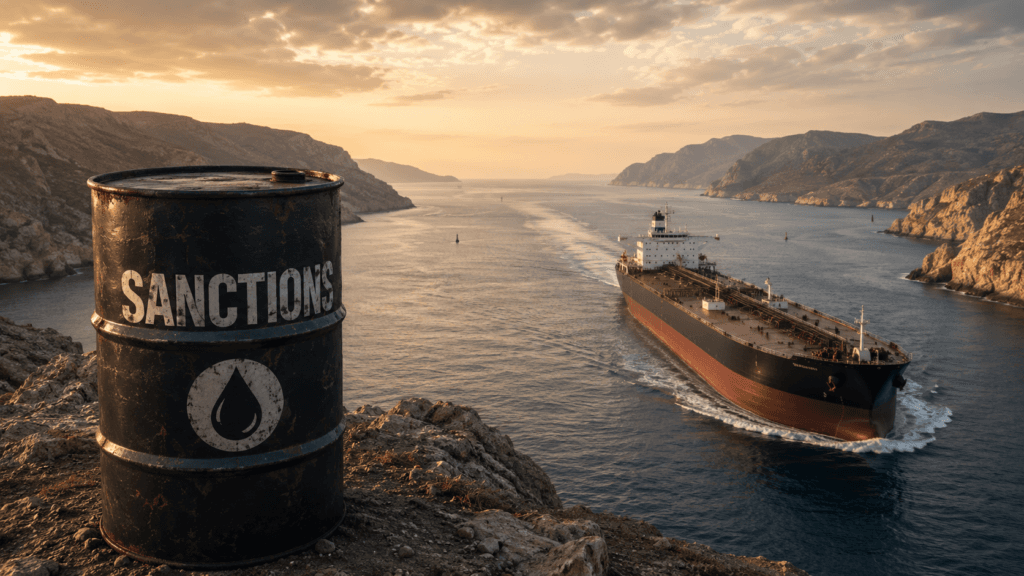
The United States has opted to temporarily suspend certain oil sanctions, a decision primarily motivated by strategic concerns regarding the security of the Strait of Hormuz. This move is not an indication of altered foreign policy towards Russia, but rather a pragmatic step to safeguard the global oil supply chain.
The Strait of Hormuz is a critical chokepoint for international oil transit, with a significant portion of the world's seaborne oil passing through it daily. Geopolitical instability in the region can severely disrupt these flows, leading to price volatility and supply shortages. By easing sanctions, Washington aims to create more flexibility in the global oil market, reducing its vulnerability to potential disruptions in this vital waterway.
For freight forwarders and shippers, this development could have several implications. The increased flexibility in oil sourcing might lead to shifts in tanker routes and potentially impact freight rates for crude oil and refined products. Forwarders should monitor regional stability in the Middle East closely, as any escalation could still trigger rapid changes in shipping dynamics and insurance costs. The broader goal is to maintain a stable supply, which indirectly supports overall global trade by preventing energy crises that could dampen economic activity.
While the immediate impact is on oil logistics, the underlying rationale highlights the ongoing importance of maritime chokepoints in global trade strategy. Future policy decisions may continue to be shaped by the need to mitigate risks associated with these critical transit areas.