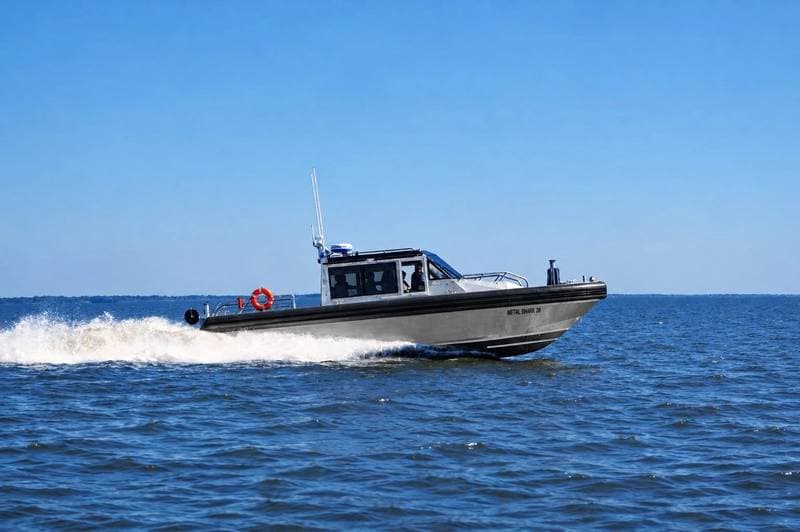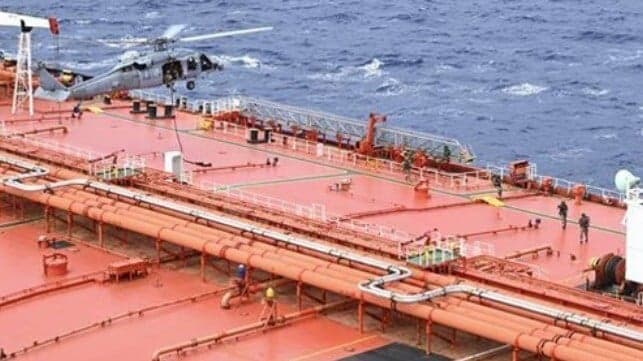
The U.S. Navy has reportedly taken control of a third oil tanker believed to be part of Iran's clandestine 'shadow fleet.' This seizure is consistent with ongoing efforts to interdict illicit oil exports from Iran, which often circumvent international sanctions.
This development follows previous interdictions, indicating a sustained strategy by U.S. forces to disrupt these operations. The 'shadow fleet' consists of vessels that often obscure their ownership, origin, and destination to facilitate the transport of sanctioned Iranian oil.
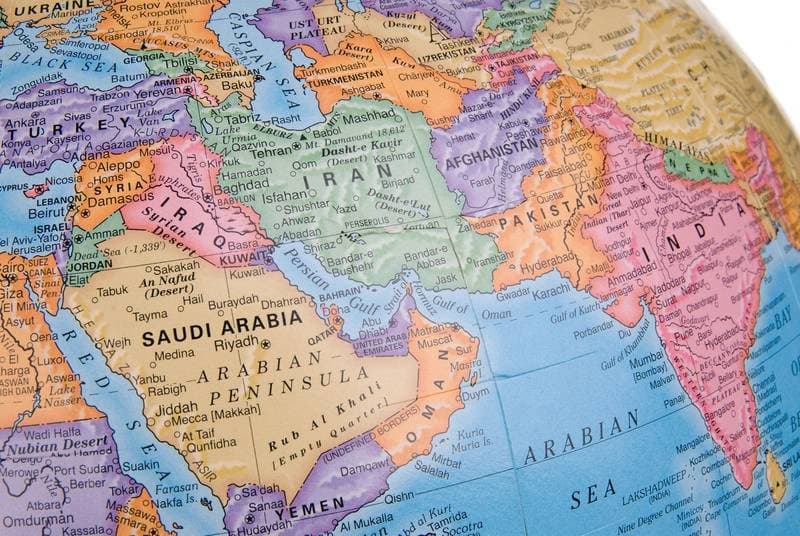
For freight forwarders and shippers, these seizures introduce heightened risks for maritime operations in the Middle East, particularly in the Gulf region. Increased naval activity and the potential for further interdictions could lead to higher insurance costs for vessels, longer transit times due to increased scrutiny, and potential rerouting to avoid perceived high-risk areas. Forwarders should advise clients on potential delays and review their cargo insurance policies for coverage related to seizures or geopolitical incidents in the region. The ongoing situation may also contribute to volatility in crude oil prices, indirectly affecting bunker fuel costs.