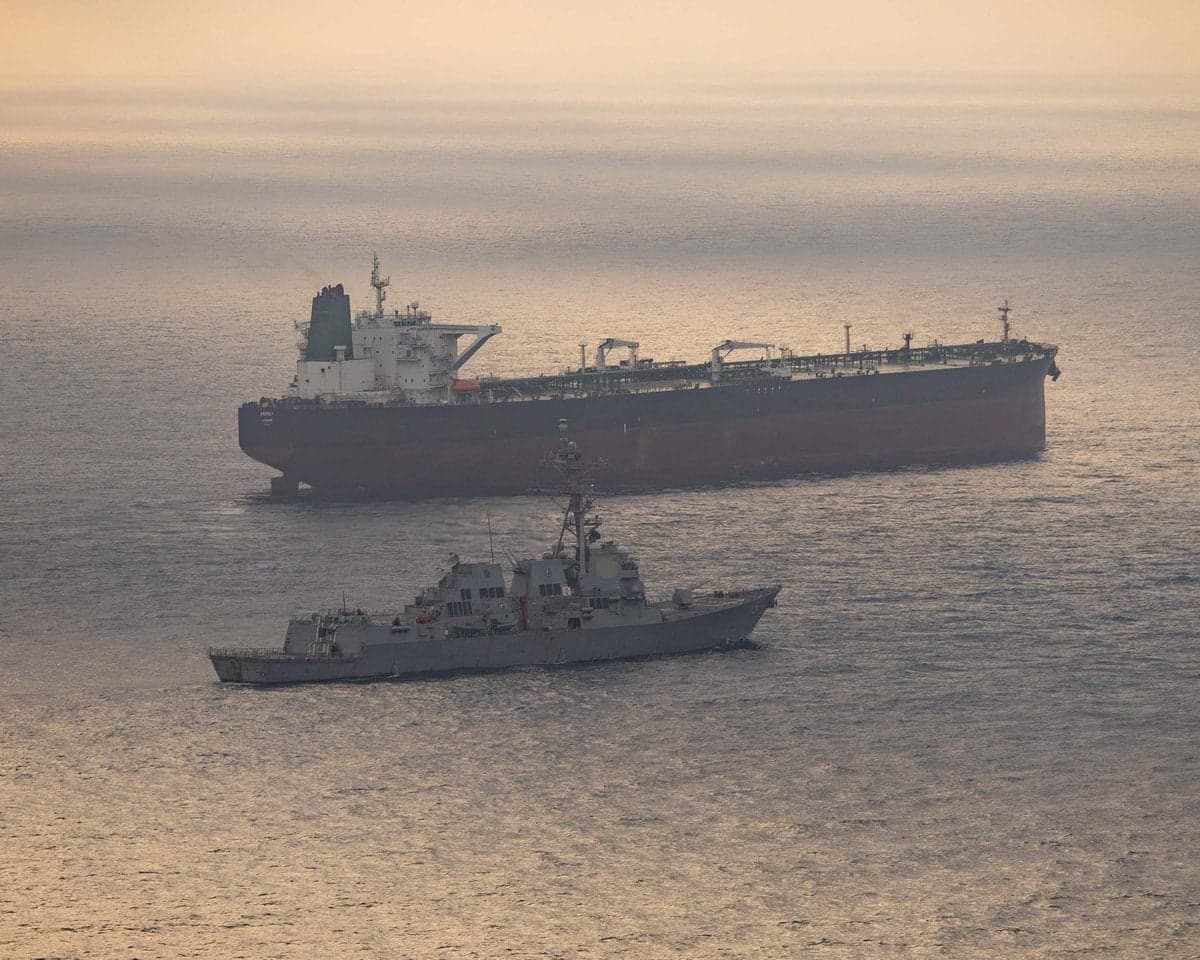
The United States government has announced new sanctions specifically targeting tankers and other entities engaged in the illicit trade and transport of Iranian oil. This action is part of an ongoing strategy to curtail Iran's revenue streams and exert economic pressure on the country.
For freight forwarders and shippers, these expanded sanctions introduce heightened compliance risks, particularly for those involved in crude oil and petroleum product movements. Companies must meticulously vet their supply chains, vessel charters, and counterparties to avoid inadvertently engaging with sanctioned entities or vessels. The increased scrutiny could lead to longer due diligence processes, potential delays, and higher operational costs, including insurance premiums. The uncertainty surrounding future US policy, especially with an impending political decision, adds another layer of complexity to risk assessments in maritime logistics.
This development occurs amidst a broader geopolitical landscape where the US has consistently sought to limit Iran's oil exports. The timing of these new sanctions, ahead of a significant political decision, suggests a strategic effort to reinforce existing pressure points. The maritime industry, particularly the tanker segment, remains a critical conduit for these exports, making it a frequent target for such measures.