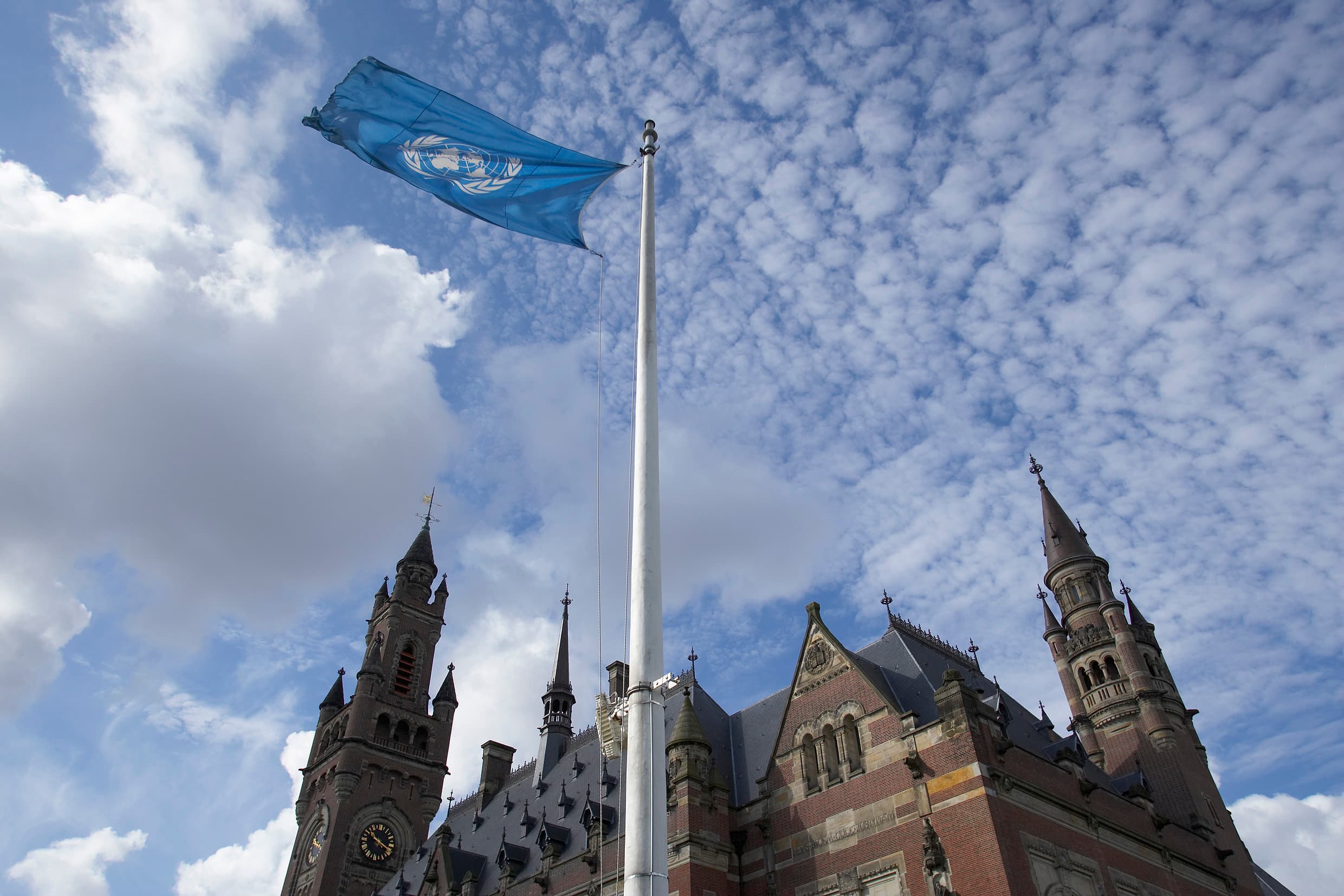
The United Nations' highest judicial body has issued a ruling confirming that the right to strike is a protected international labor right applicable to all workers, specifically mentioning the transport sector. This decision provides a significant endorsement of workers' abilities to engage in industrial action as a means of collective bargaining and protest.
This affirmation by the UN court reinforces existing international conventions and principles concerning labor rights. It clarifies the legal standing of strikes as a legitimate tool for workers to advocate for their interests, wages, and working conditions.
For freight forwarders and supply chain operators, this ruling underscores the importance of monitoring labor relations and potential industrial actions more closely. While not directly causing immediate disruptions, it strengthens the legal basis for strikes, which could lead to more frequent or prolonged stoppages in ports, airports, or road networks if labor disputes arise. Forwarders should factor this reinforced right into their risk assessments and contingency planning, particularly when negotiating contracts or planning routes through regions with active labor movements. The ruling may empower unions to pursue their demands more assertively, potentially affecting port operations, cargo handling, and overall logistics fluidity.