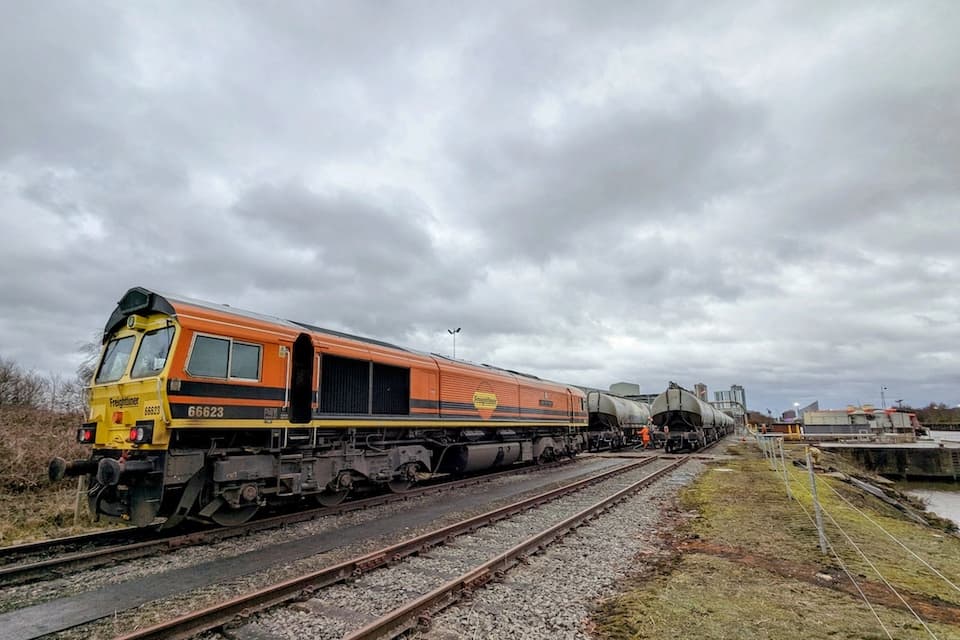
The UK rail freight industry has unveiled a pioneering standardized climate change risk assessment model specifically tailored for multi-user freight facilities. This new tool is designed to systematically evaluate and address potential climate-related hazards across shared rail logistics infrastructure. The primary objective is to bolster safety protocols and improve operational resilience in the face of evolving environmental conditions.
This development comes as the logistics sector increasingly recognizes the impact of climate change on infrastructure and operations. By providing a uniform assessment framework, the tool seeks to move beyond fragmented, site-specific evaluations, offering a consistent approach to risk management across various freight locations.
For freight forwarders and operations managers, this tool signifies a potential improvement in the reliability and safety of rail freight services within the UK. A standardized assessment means that climate risks at different multi-user sites will be evaluated consistently, potentially leading to more uniform mitigation strategies. This could reduce unexpected disruptions caused by extreme weather events, improving planning and scheduling for rail shipments. Enhanced resilience at these critical nodes could translate into fewer delays and more predictable transit times for cargo moving by rail.
While the immediate next steps involve the adoption and implementation of this model across the UK's multi-user freight sites, the long-term goal is to foster a more climate-resilient rail freight network. This proactive approach aims to safeguard infrastructure, protect cargo, and ensure continuity of service as climate patterns continue to shift.