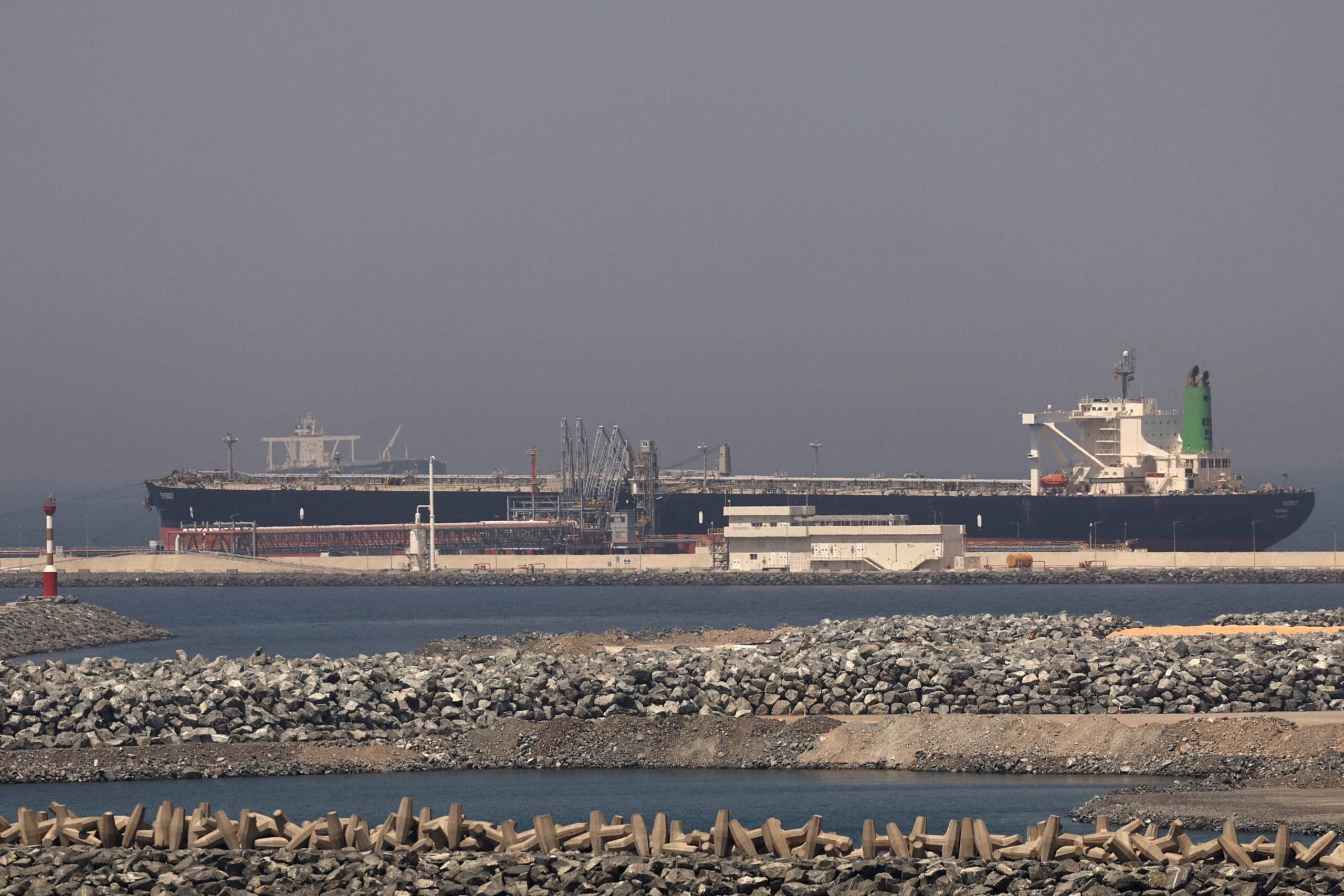
The United Arab Emirates (UAE) is set to double its capacity for exporting crude oil that avoids transit through the Strait of Hormuz. This expansion is projected to be completed by 2027, marking a strategic effort to enhance the country's energy export resilience.
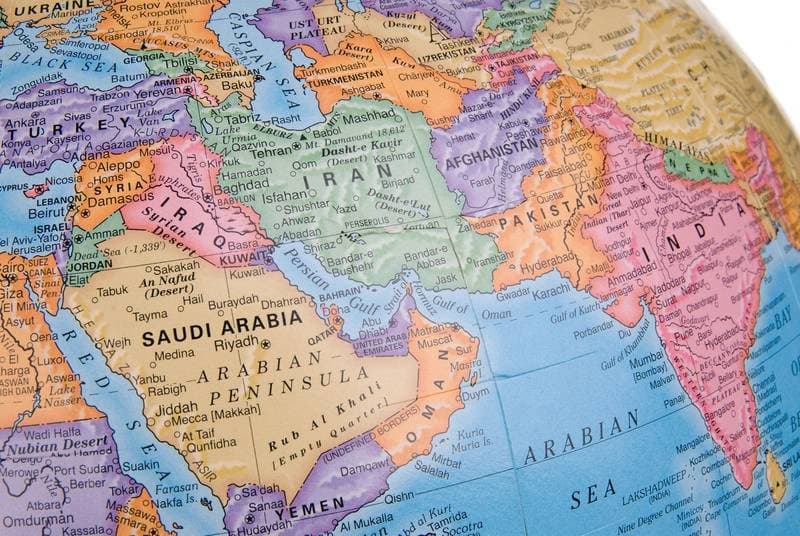
This initiative is driven by the UAE's objective to reduce its reliance on the Strait of Hormuz, a critical maritime chokepoint for global oil shipments. By developing alternative export routes, the UAE aims to mitigate potential disruptions and ensure more secure and flexible crude oil deliveries to international markets.
For freight forwarders and shippers involved in oil and gas logistics, this development signifies a potential diversification of crude oil loading points from the UAE. While the primary impact is on tanker operations, increased flexibility in export routes could indirectly influence regional shipping dynamics and risk assessments for cargo moving through the Arabian Gulf.
The expansion suggests a long-term commitment by the UAE to safeguard its oil exports against geopolitical risks associated with the Strait of Hormuz.