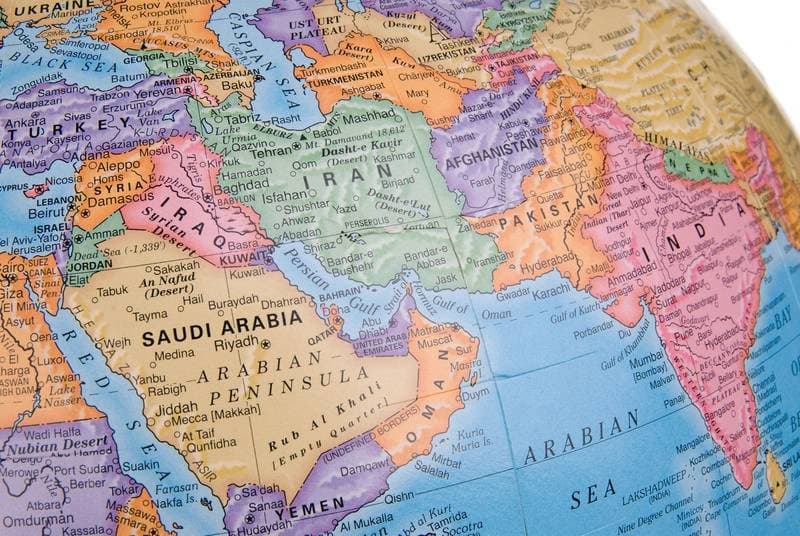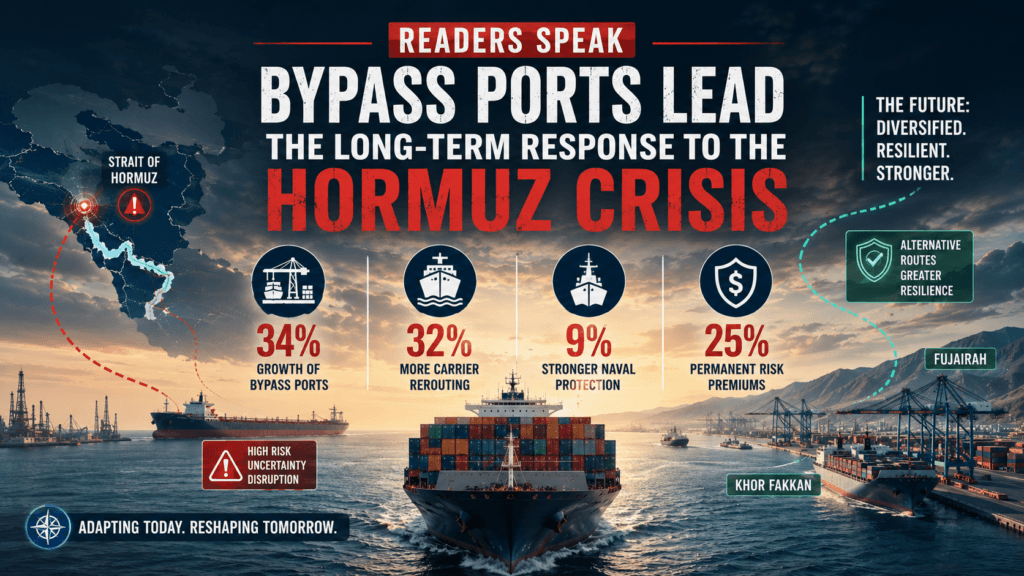
A recent industry survey, part of the "Readers Speak" series, explored potential long-term adaptations within the container shipping sector concerning the ongoing challenges in the Strait of Hormuz. The poll results suggest a prevailing belief that the industry's response will evolve beyond immediate, temporary operational adjustments. Instead, a significant portion of respondents anticipate more fundamental changes, specifically focusing on infrastructure development and revised routing strategies.
This perspective indicates a shift from reactive measures to proactive, strategic planning aimed at mitigating future risks associated with the critical chokepoint. The emphasis on "bypass ports" implies a consideration for alternative maritime gateways that could reduce reliance on the Strait of Hormuz for certain trade lanes.
For freight forwarders and operations managers, this trend suggests potential future alterations in established shipping routes and port calls. While immediate impacts on rates and capacity are not detailed, the long-term development of bypass options could eventually lead to new service offerings, adjusted transit times, and potentially revised cost structures for cargo moving through or around the Middle East region. Forwarders should monitor these developments closely for strategic planning and client advisement.
The article does not specify which bypass ports are being considered or when these long-term strategies might be implemented.