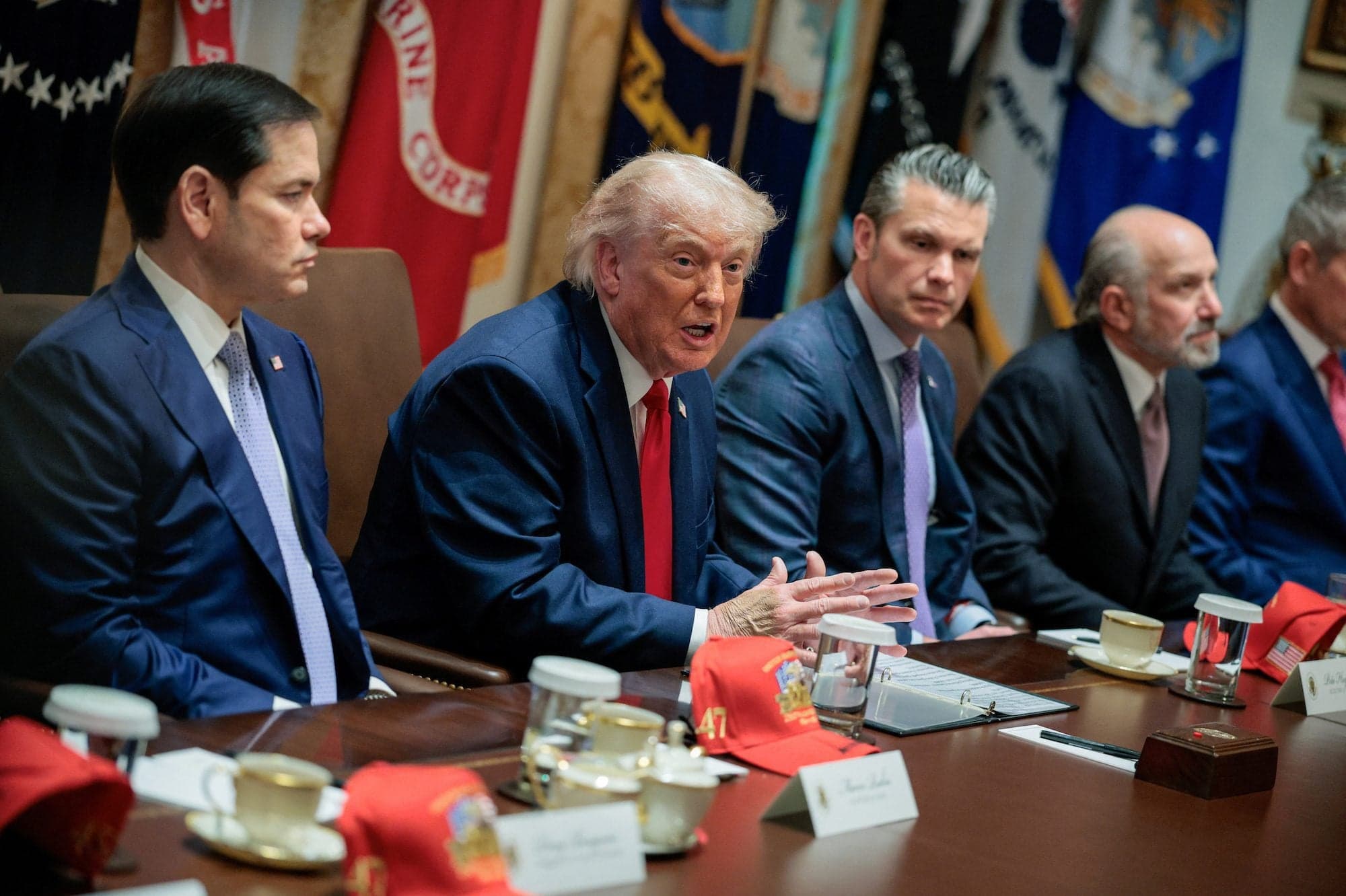
Former President Donald Trump has publicly rejected reports suggesting a deal between Iran and Oman to oversee maritime traffic in the Strait of Hormuz. This dismissal indicates that efforts to de-escalate regional tensions and secure a formal agreement for the critical waterway are currently stalled.
For freight forwarders and shippers, the continued uncertainty surrounding the Strait of Hormuz is a significant concern. This chokepoint is vital for global energy supplies, with a substantial portion of the world's seaborne oil passing through it. Any instability or lack of clear governance could lead to increased war risk premiums, potential disruptions to vessel transits, and higher operational costs. Forwarders should continue to monitor geopolitical developments closely and factor in potential routing alternatives or insurance adjustments for shipments traversing this region.
The absence of a formal agreement means that the operational environment in the Strait of Hormuz remains subject to geopolitical fluctuations and potential unilateral actions, impacting schedule reliability and supply chain predictability.