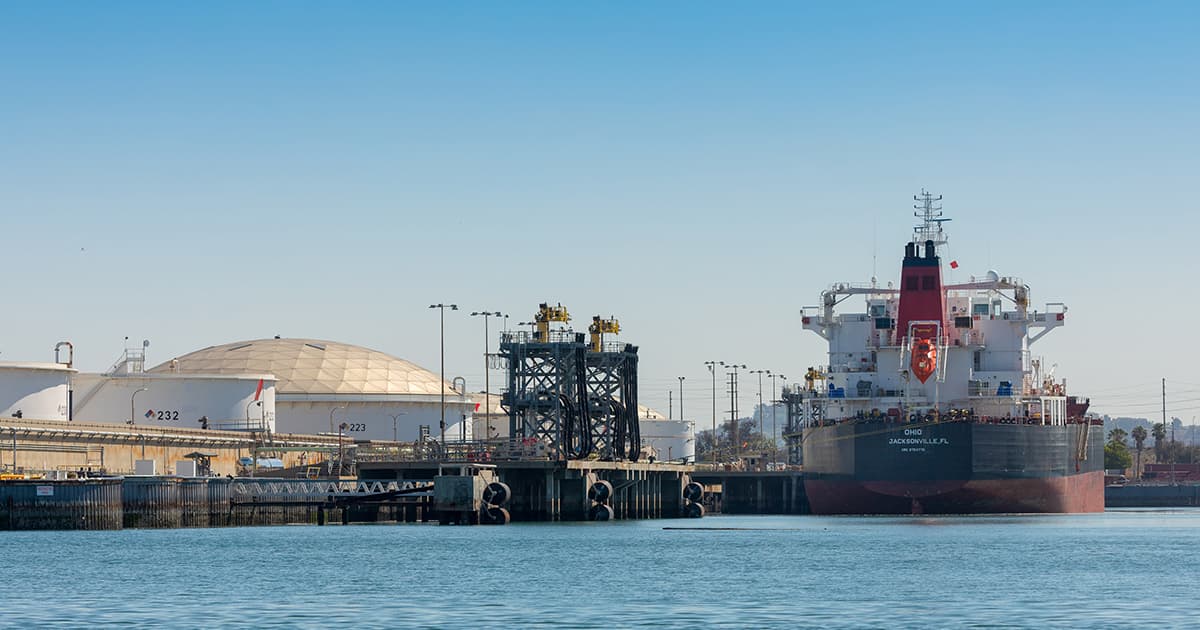
During the Trump administration, waivers to the Jones Act were granted, permitting foreign-flagged ships to transport oil and fuel between U.S. ports. The primary objective was to alleviate high domestic gasoline prices by increasing supply flexibility. However, these waivers ultimately had a negligible impact on consumer fuel costs.
The ineffectiveness stemmed from two main factors: persistently high shipping rates, which offset any potential savings from using foreign vessels, and the relatively small quantities of fuel actually transported under these exemptions. This suggests that the underlying economic conditions and logistical challenges in the U.S. domestic shipping market for petroleum products were not adequately addressed by these waivers alone.
For freight forwarders and logistics professionals, this highlights the enduring influence of the Jones Act on U.S. domestic maritime transport, particularly for bulk commodities like fuel. Even with temporary waivers, the cost structure and capacity limitations of the U.S. flagged fleet, combined with broader market dynamics, can limit the effectiveness of such interventions. It underscores the importance of understanding the regulatory landscape and its direct impact on domestic supply chain costs and routing options for specific cargo types.