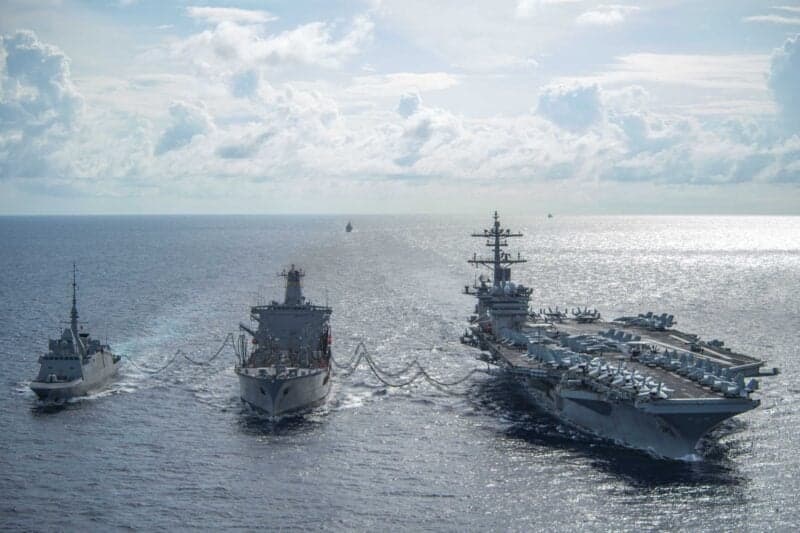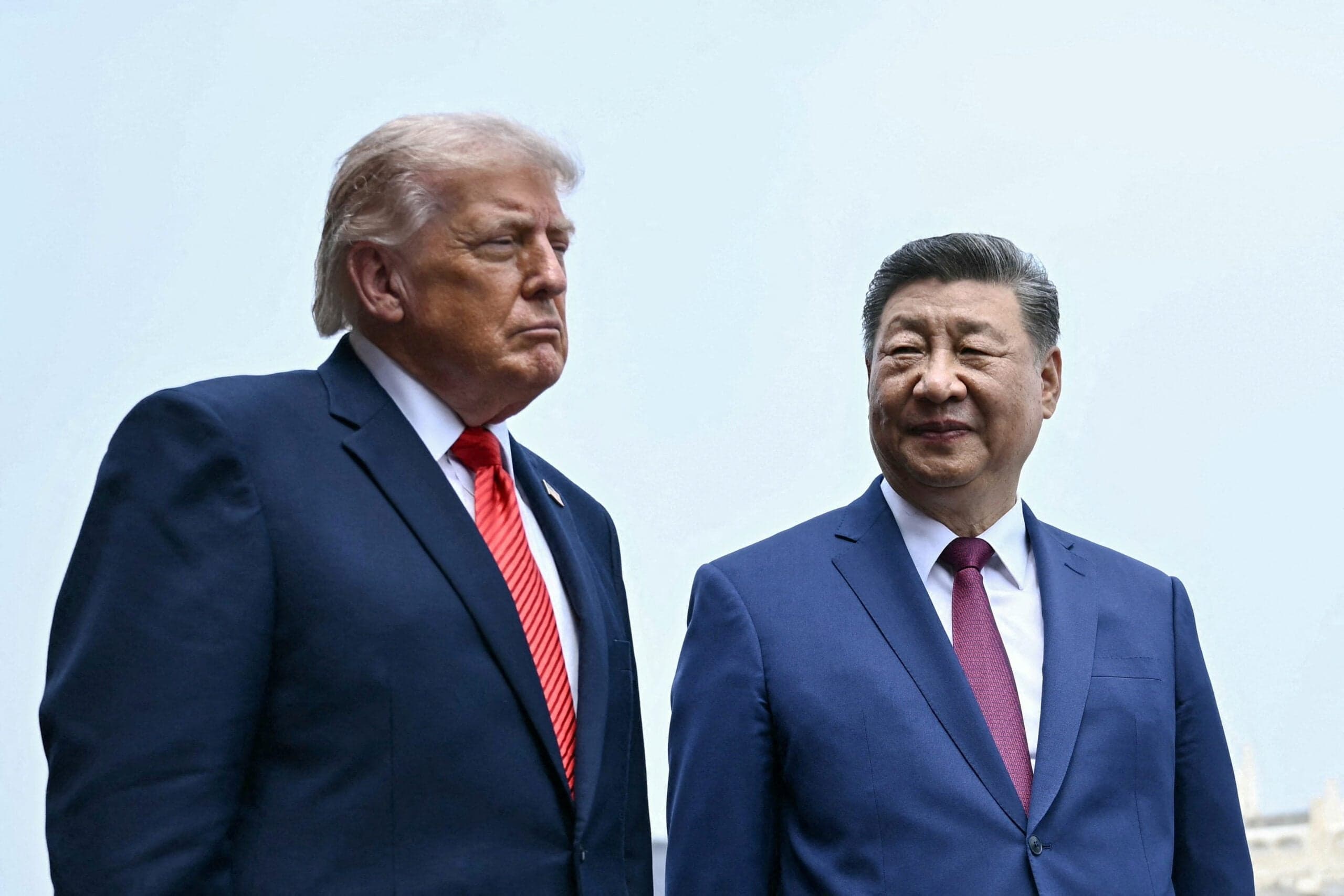
Former US President Donald Trump has announced that China has expressed willingness to support negotiations concerning Iran. This offer aligns with Trump's broader objective of achieving a diplomatic end to the ongoing conflict and ensuring the unimpeded passage through the Strait of Hormuz. The push for a resolution follows an incident involving the apparent seizure of a commercial vessel in waters close to the United Arab Emirates.
The context for this diplomatic overture is the persistent tension in the Middle East, particularly around the Strait of Hormuz, a critical chokepoint for global oil shipments. Disruptions in this region have historically led to significant volatility in energy markets and posed challenges for international maritime trade.
For freight forwarders and shippers, any diplomatic progress that de-escalates tensions in the Strait of Hormuz is highly significant. The stability of this waterway is crucial for maintaining predictable transit times and avoiding potential surcharges or rerouting costs associated with heightened security risks. A successful negotiation could help stabilize shipping rates and ensure the continuous flow of goods, reducing supply chain disruptions. Conversely, continued instability or further vessel seizures would likely lead to increased insurance premiums, longer transit times due to diversions, and potential capacity constraints in the region.
While the source does not specify the next steps, the implication is that discussions involving China could potentially lead to multilateral talks aimed at securing maritime safety and regional stability.