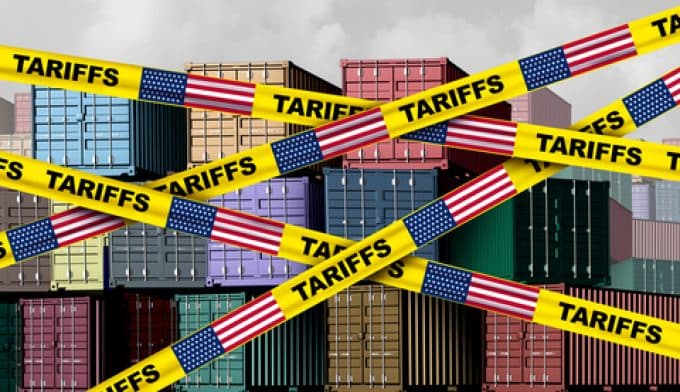
The United States government's continued implementation of tariffs, coupled with the legal challenges surrounding their enforcement, has introduced substantial disruption and unpredictability into the global supply chain. This volatile environment is particularly threatening to small and medium-sized enterprises (SMEs) operating within the logistics industry, potentially jeopardizing their long-term viability.
For freight forwarders and operations managers, this climate of tariff uncertainty necessitates a proactive approach to supply chain management. The constant shifts in trade policy can lead to unexpected cost increases, changes in routing requirements, and delays at customs. Forwarders must prioritize flexibility and optionality in their service offerings to help shippers mitigate these risks. This includes exploring alternative sourcing countries, diversifying transportation routes, and staying informed on the latest trade regulations and their potential impact on specific commodities.
To navigate these challenges, businesses should focus on building resilient supply chains that can adapt quickly to policy changes. This might involve re-evaluating existing trade lanes, considering nearshoring or reshoring strategies, and investing in robust data analytics to anticipate and respond to tariff-related impacts. The ability to pivot rapidly and offer diverse solutions will be crucial for maintaining efficiency and controlling costs for clients.