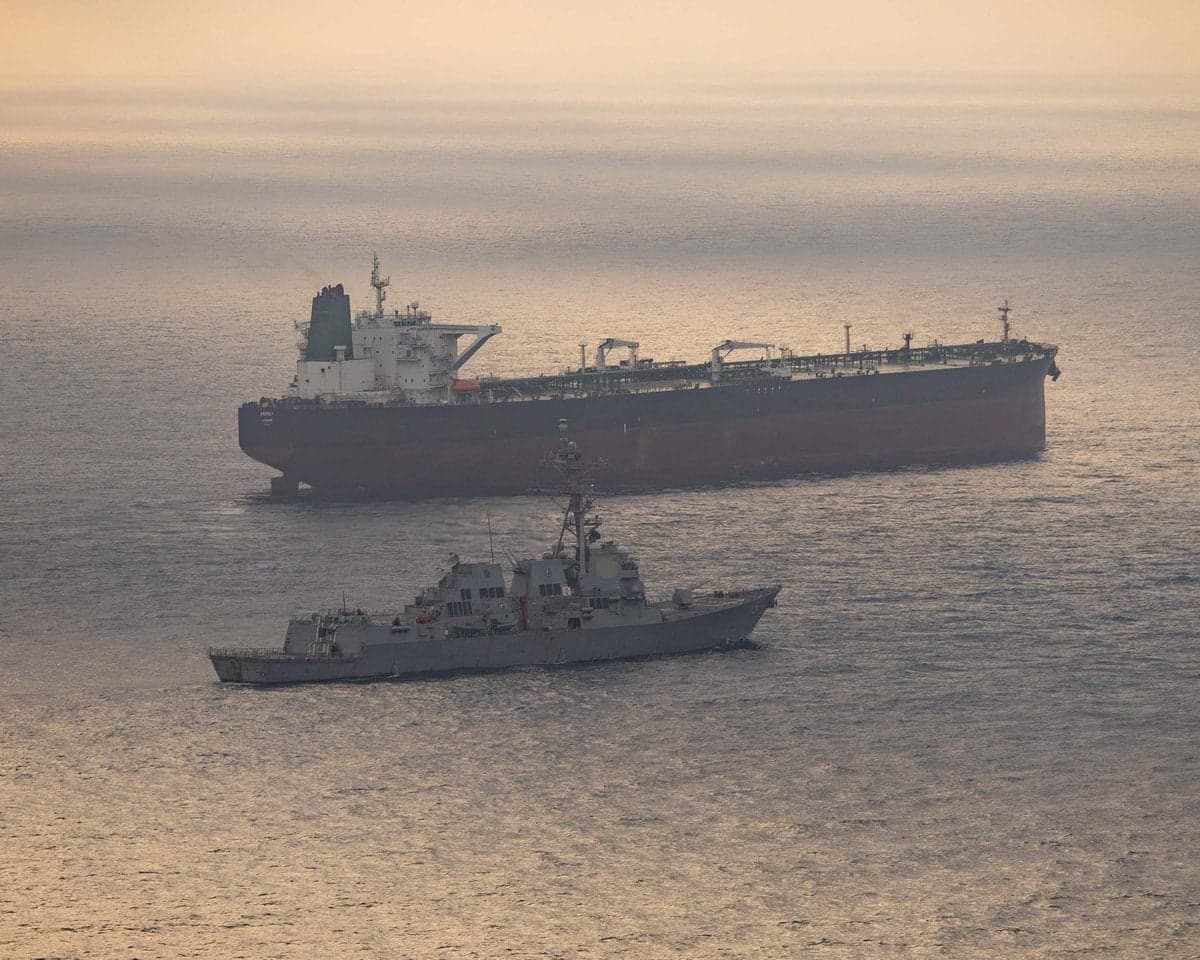
A recent incident involved a tanker being struck off the coast of Oman, contributing to heightened tensions and security concerns in the broader Strait of Hormuz area. This event underscores the ongoing risks for commercial shipping navigating this critical chokepoint, which is vital for global energy trade.
Simultaneously, the article highlights the continued global dominance of Greek shipping interests. Greek shipowners control a significant portion of the world's merchant fleet, showcasing their enduring influence in maritime transport across various segments, including tankers and dry bulk.
For freight forwarders and operations managers, the tanker incident off Oman signals potential for increased war risk premiums and security surcharges for vessels transiting the Strait of Hormuz. This could lead to higher operational costs and potential delays for shipments moving through the region. Shippers should monitor advisories and consider the implications for their supply chains, particularly those relying on oil and gas exports from the Middle East. The stability of Greek shipping, while generally positive, does not directly mitigate these immediate security risks but rather reflects a broader industry trend of established players maintaining market share.