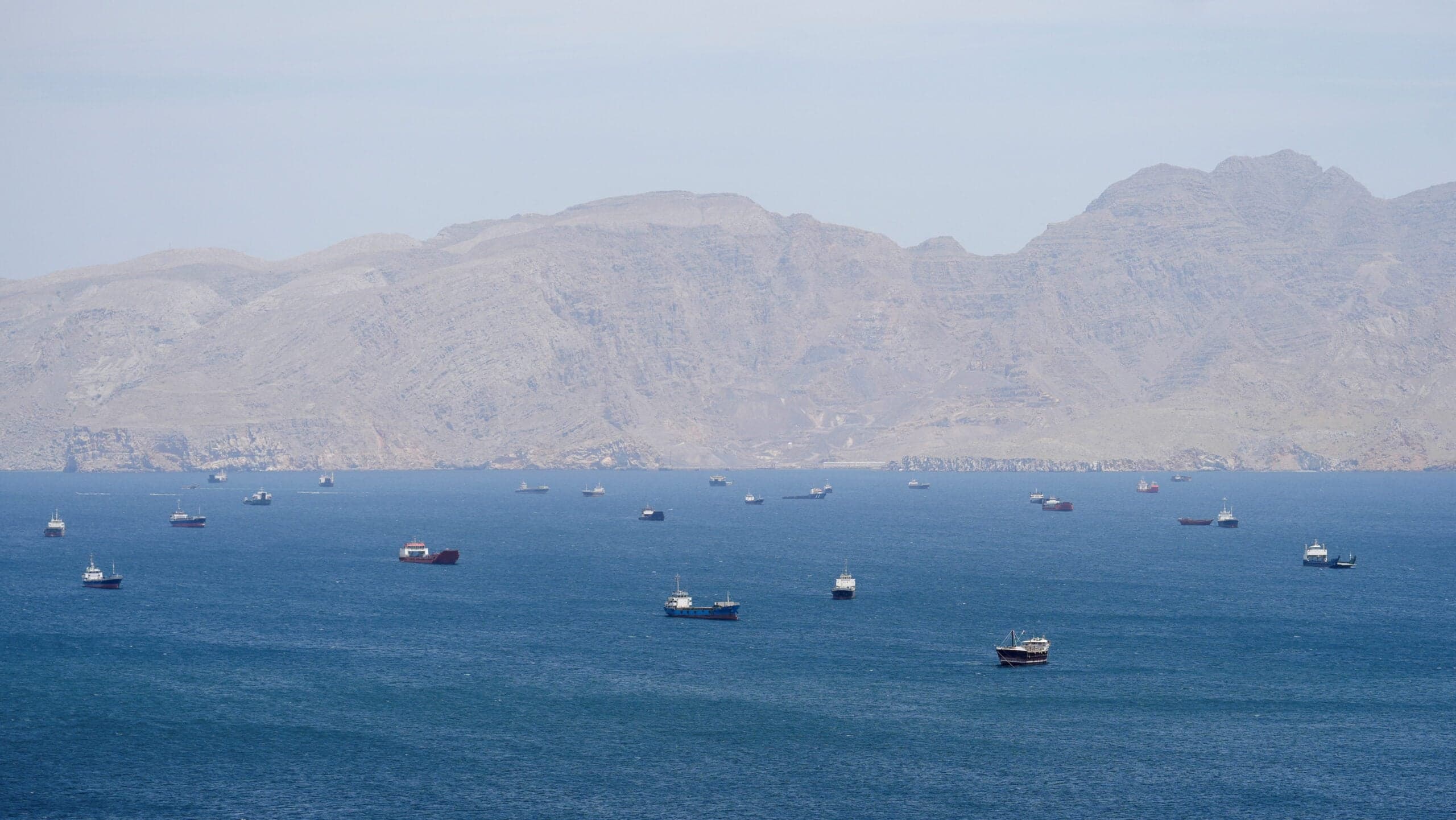
Shipping activity in the Strait of Hormuz has ceased, a direct consequence of the United States' refusal of Iran's most recent ceasefire proposition. This diplomatic impasse has resulted in an uptick in global oil prices, signaling market apprehension regarding potential regional instability.
For freight forwarders and shippers, the immediate cessation of traffic through the Strait of Hormuz represents a critical disruption. This vital chokepoint for global oil and gas shipments, and a significant route for containerized cargo, now poses considerable uncertainty. Forwarders should anticipate potential vessel rerouting, leading to extended transit times and increased fuel costs. Furthermore, war risk insurance premiums for vessels operating in or near the region are likely to escalate, directly impacting shipping costs. Operational managers need to monitor the situation closely for any updates on vessel movements and port access in the Persian Gulf, and prepare contingency plans for alternative shipping lanes or multimodal solutions.