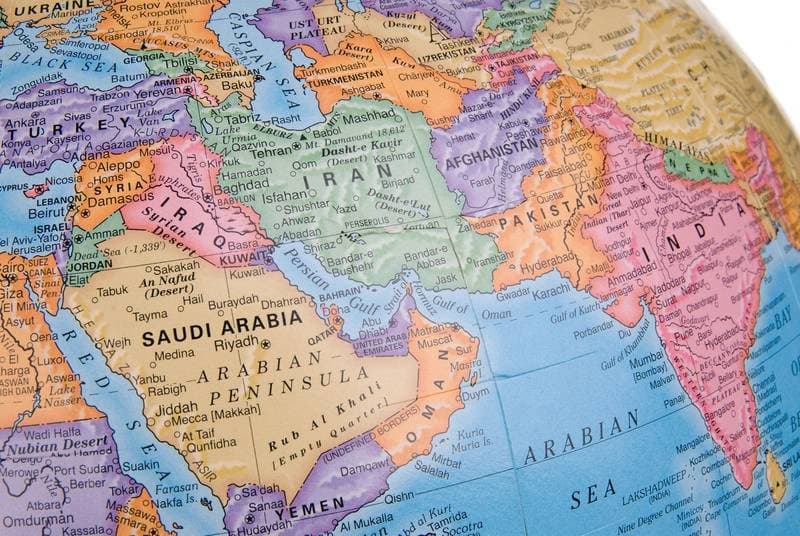
A sustained closure of the Strait of Hormuz for an additional month could result in the 14-day lead times for bunker fuel, presently observed in major Asian maritime hubs, becoming a global standard for ships requiring refueling, according to Fotios Katsoulas, an analyst at S&P Global.
This potential development stems from the critical role the Strait of Hormuz plays in global energy supply chains, particularly for oil and gas, which are essential components of marine fuel production and distribution. Any disruption to this vital waterway creates ripple effects across the entire bunkering network.
For freight forwarders and their clients, this scenario would introduce considerable challenges. Extended wait times for bunker fuel would directly impact vessel schedules, leading to potential delays in cargo delivery. Carriers would face increased operational costs due to longer port stays and potential rerouting, which could translate into higher freight rates or surcharges. Forwarders would need to proactively communicate these potential delays and cost increases to shippers, adjust their planning, and explore alternative routing or bunkering strategies where feasible.
Should the closure persist, the industry would likely see a scramble for available fuel supplies, potentially driving up bunker prices and exacerbating the logistical complexities for global shipping operations.