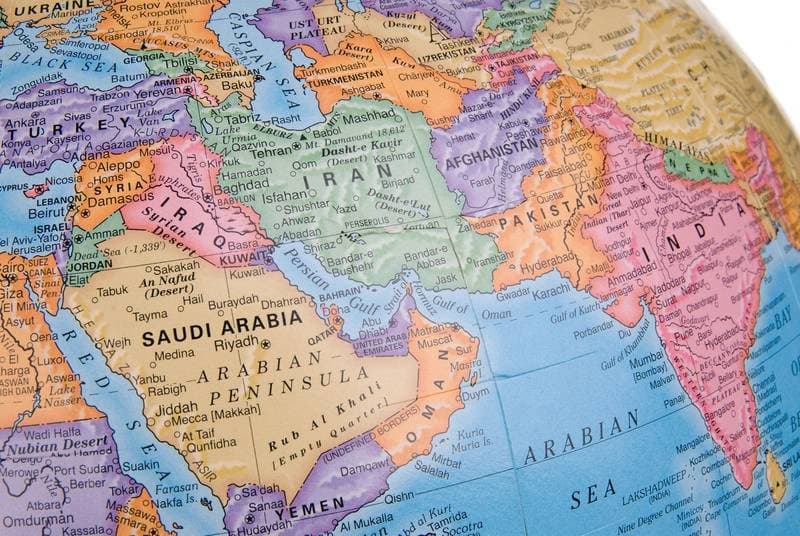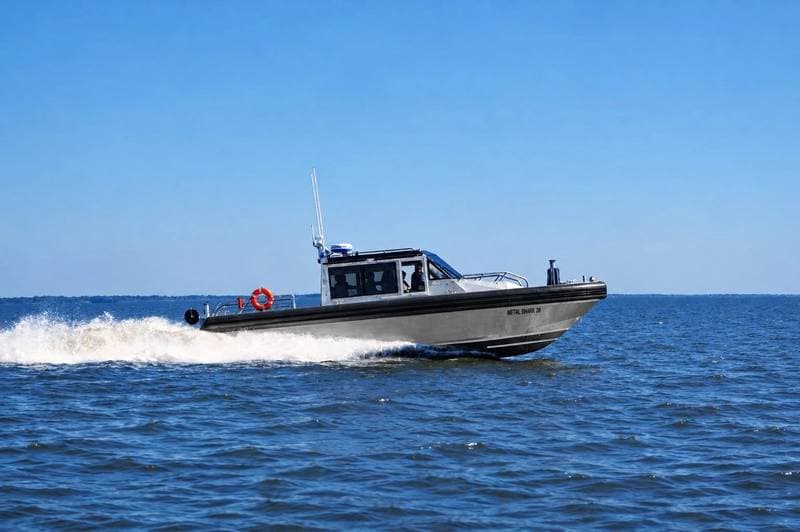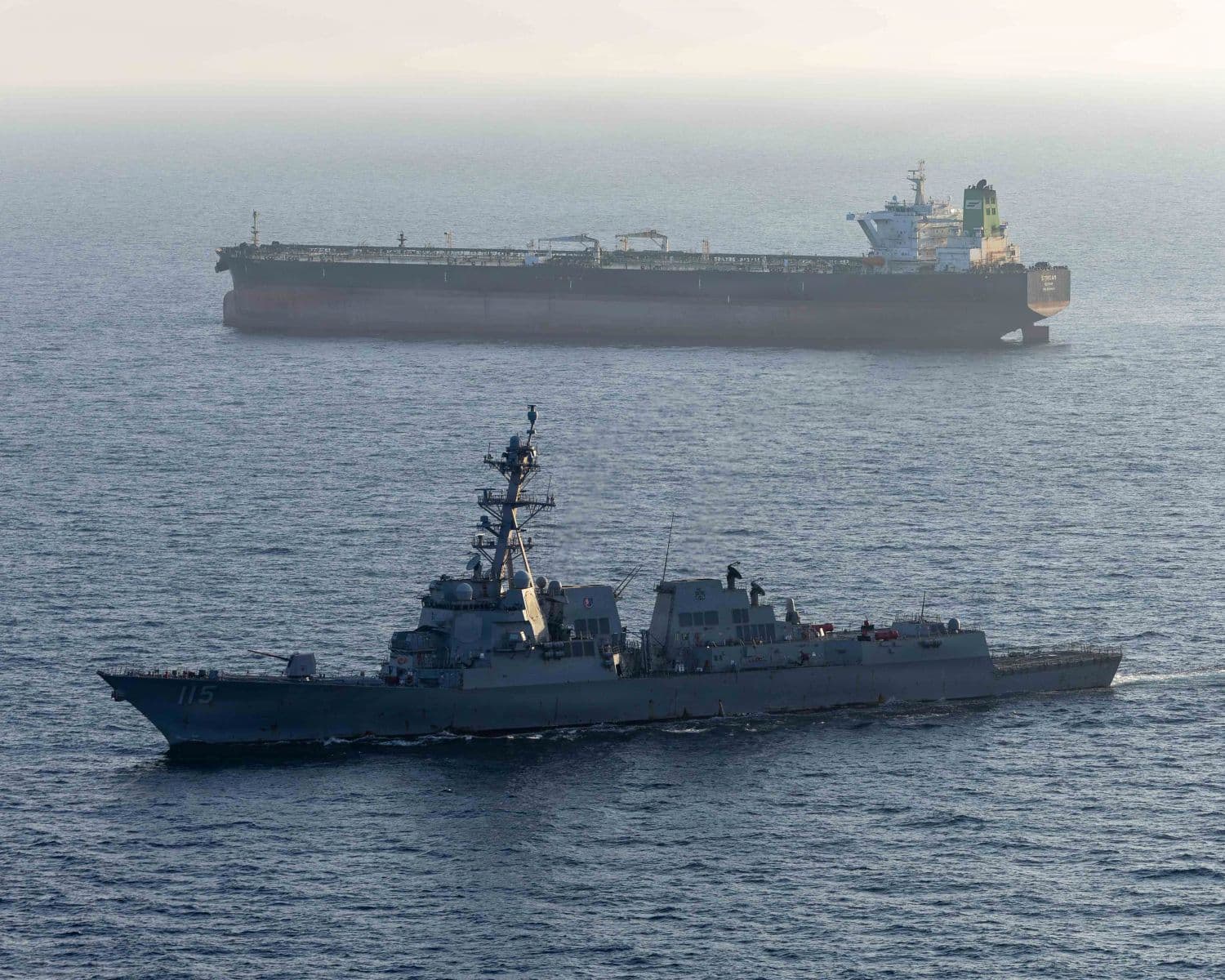
The Strait of Hormuz, a crucial maritime chokepoint, has recently been closed, demonstrating a growing pattern where such strategic passages are leveraged for political objectives. This event highlights the vulnerability of global supply chains to geopolitical tensions and the potential for significant disruption.
This incident follows a broader trend of maritime chokepoints being used as tools in international relations. Historically, control over these narrow waterways has offered strategic advantages, but their 'weaponization' has become more pronounced in recent times, compelling the shipping industry to re-evaluate risk and resilience.
For freight forwarders and shippers, the closure of the Strait of Hormuz means immediate and substantial impacts. Vessels typically transiting this route will face diversions, leading to considerably longer transit times and increased fuel costs. This will inevitably result in higher freight rates, potential delays in cargo delivery, and a need for alternative routing strategies. Operational managers must quickly adapt to new schedules and communicate potential disruptions to clients, while supply chain analysts will need to reassess lead times and inventory management strategies to mitigate future risks associated with similar geopolitical events.