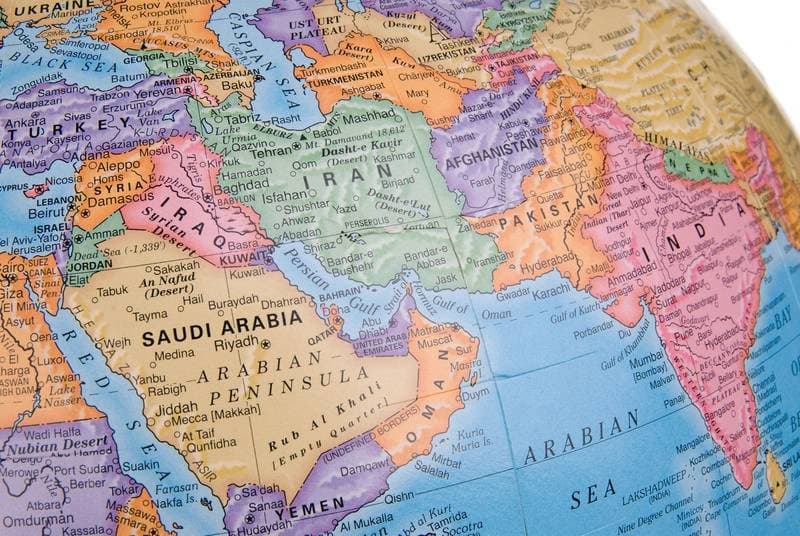
The global shipping market is experiencing substantial disruption in Q2 2026 due to the prolonged closure of the Strait of Hormuz. This critical chokepoint, essential for a significant portion of the world's oil and gas shipments, has been effectively shut down for three months, leading to a fundamental shift in international trade patterns and revenue generation across all maritime sectors.
This unprecedented geopolitical event has forced carriers and shippers to reroute vessels, primarily impacting transit times and fuel costs. The lack of a clear resolution to the situation suggests that these altered trade dynamics will persist for the foreseeable future.
For freight forwarders and supply chain managers, this means continued adjustments to routing strategies, potentially longer lead times, and increased operational costs. Capacity management on affected routes will be crucial, and forwarders should anticipate fluctuating rates as carriers adapt to the new operational landscape. Understanding the revised transit corridors and potential bottlenecks will be key to maintaining efficient supply chains and managing client expectations.
As the situation remains fluid, stakeholders should monitor geopolitical developments closely for any potential changes that could impact shipping lanes and market stability.