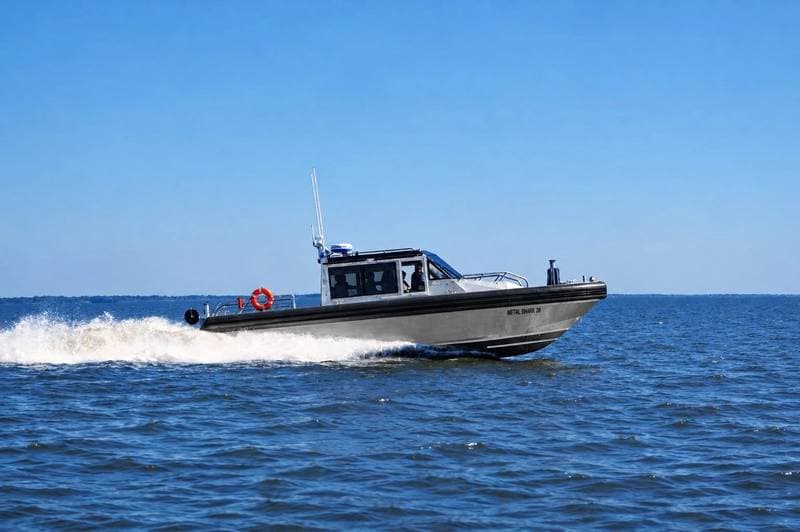
Demand for bunker fuels at Sri Lankan ports saw a notable decline in April, according to various market sources. This reduction was primarily driven by a scarcity of available barges, which are essential for delivering fuel to vessels. Additionally, tighter credit policies and a general cautious approach to risk exposure contributed to subdued market activity throughout the month.
While May's demand for bunker fuel was mainly sustained by contracts established earlier, the underlying issues of limited inquiries and credit constraints persisted, impacting new transactions. This situation suggests a challenging environment for the bunkering sector in Sri Lanka.
For freight forwarders and operations managers, this situation could lead to potential delays or increased costs for vessels requiring refueling in Sri Lankan ports. The reduced availability of barges might extend turnaround times, affecting vessel schedules. Furthermore, if credit conditions remain tight, it could impact the flexibility and pricing for bunker fuel procurement, potentially adding to operational expenses for carriers and, by extension, shippers. Forwarders should monitor the situation for any impact on transit times or surcharges related to bunkering in the region.