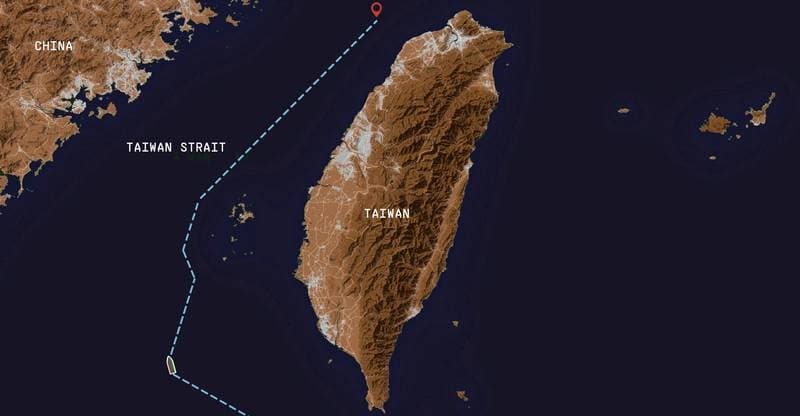
Seasats has reported that its Lightfish uncrewed surface vessel (USV) successfully navigated the Taiwan Strait autonomously. This marks the first recorded instance of an autonomous vessel completing a transit of this politically sensitive and heavily trafficked waterway, which separates Taiwan and mainland China. The USV was deployed and controlled remotely from a considerable distance, demonstrating the growing capabilities of uncrewed maritime technology.
For freight forwarders and operations managers, while this specific event does not directly impact commercial shipping rates or capacity, it underscores the increasing presence and capabilities of autonomous vessels in critical maritime regions. The Taiwan Strait is a vital shipping lane for global trade, and any developments related to its navigation, especially by uncrewed systems, could have long-term implications for maritime security and operational protocols. The successful transit by a USV could potentially influence future discussions on maritime domain awareness, surveillance, and the integration of autonomous technologies into naval and commercial operations in contested areas. This could lead to evolving regulations or security measures for commercial vessels in the future.