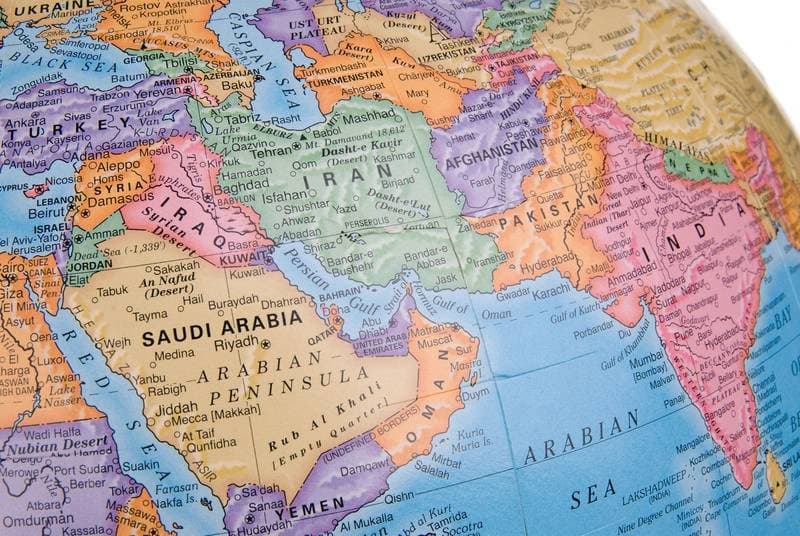
Russian seaborne crude oil exports saw an 8% increase in April, reaching 3.949 million barrels per day. This marks a six-month high for the country's maritime crude shipments. The primary drivers behind this surge include a relaxation of US sanctions and ongoing geopolitical instability in the Middle East. These factors have encouraged international buyers to diversify their crude oil sources, leading them to Russian supplies.
This increase occurred despite potential softening in demand from major crude importers such as India and China. The higher export volumes suggest that the global market's need for stable supply, coupled with the reduced punitive measures, outweighed any immediate demand-side pressures from these large Asian economies.
For freight forwarders and logistics professionals, this development indicates sustained demand for crude oil tanker capacity, particularly for routes originating from Russian ports. The increased export volume could lead to tighter availability and potentially higher rates for crude oil tankers. Forwarders should monitor geopolitical developments and sanctions policies closely, as changes could rapidly impact shipping routes and vessel demand for Russian crude.