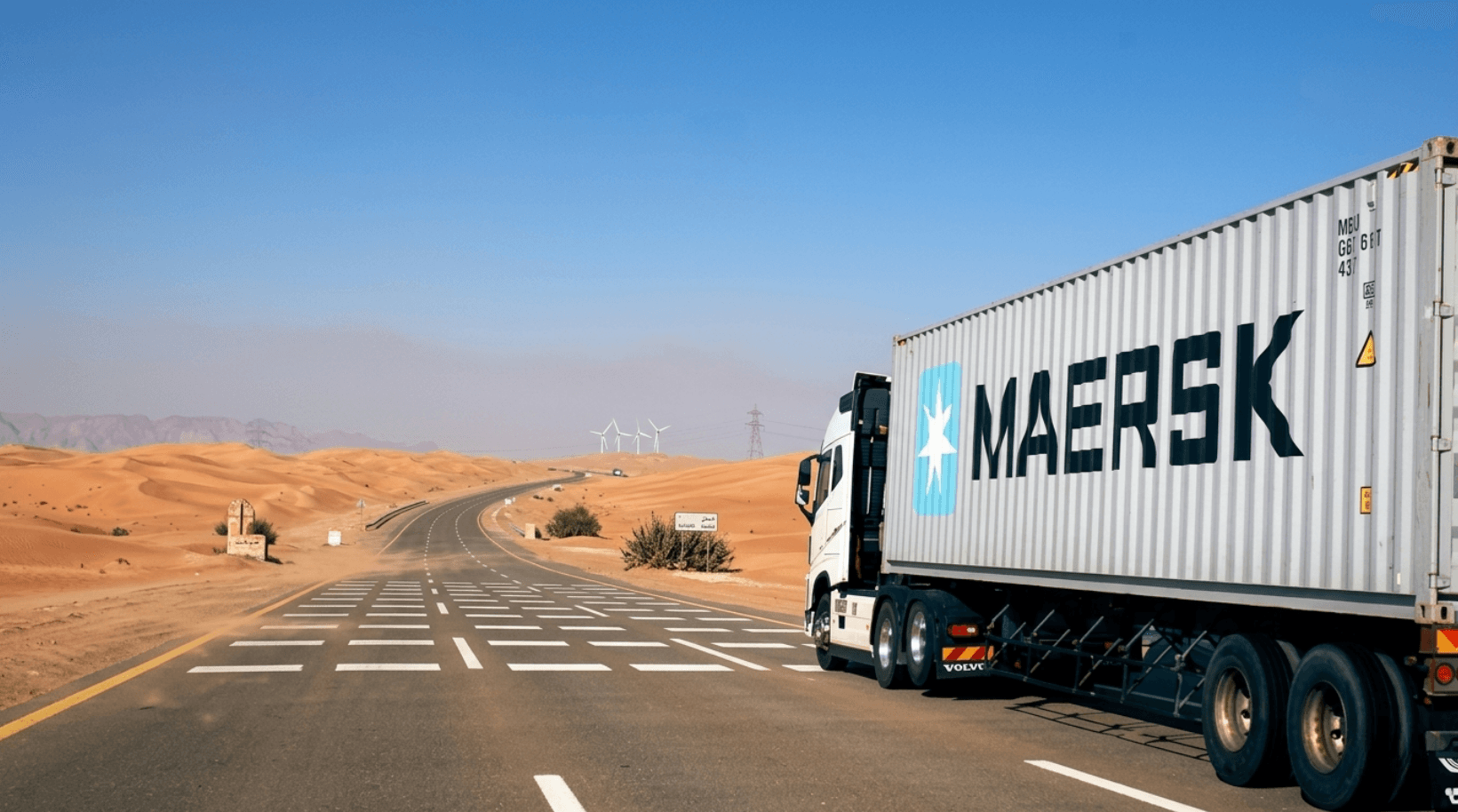
Rhenus and Maersk have announced an expansion of their land logistics networks across the Gulf, introducing new multimodal corridors that route through Jordan. This initiative directly responds to ongoing disruptions impacting maritime cargo flows through the critical Strait of Hormuz.
The Strait of Hormuz, a vital chokepoint for global oil and gas shipments and a key gateway for container traffic into the Persian Gulf, has experienced heightened geopolitical tensions and operational challenges. These disruptions have prompted logistics providers to seek alternative, more secure, and reliable transit options for cargo destined for the region.
For freight forwarders and shippers, this development means new routing possibilities and potential shifts in transit times and costs. Maersk's introduction of surcharges indicates an increased operational cost associated with these alternative land routes, which forwarders will need to factor into their pricing and service offerings. The expanded network aims to provide greater supply chain resilience and predictability for cargo moving into the UAE, Qatar, and other markets within the Middle East, potentially reducing reliance on purely sea-based routes through the Strait.
While the source does not specify future plans, the expansion suggests a long-term strategy by Rhenus and Maersk to diversify their Middle East logistics offerings and adapt to evolving regional security and operational landscapes.