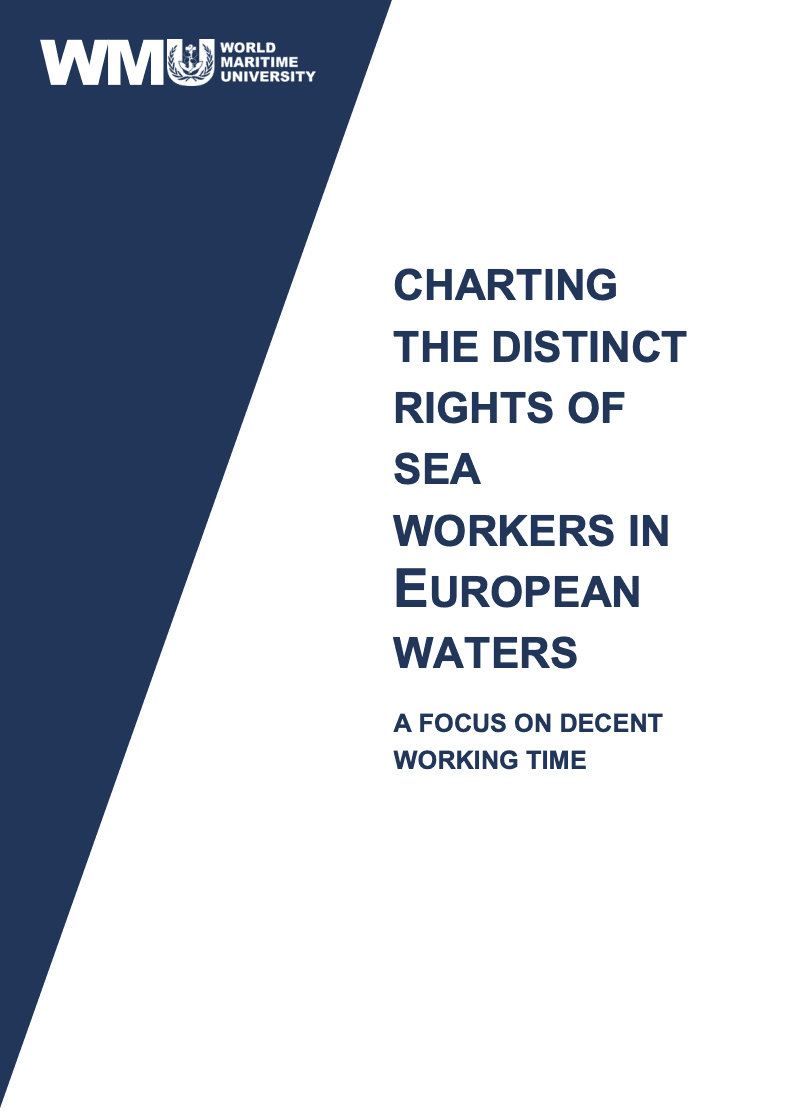
A recent report titled "Charting the Distinct Rights of Sea Workers in European Waters: A Focus on Decent Working Time," published by the World Maritime University (WMU) and commissioned by the European Transport Workers’ Federation (ETF), highlights persistent issues regarding labor rights for seafarers in European waters. The study specifically addresses concerns about adequate working hours and conditions, suggesting that current frameworks may not fully protect sea workers.
This report follows previous efforts by labor organizations to advocate for improved conditions and fair treatment for seafarers, who often face unique challenges due to the nature of their work, including long periods at sea and varying international regulations. The ETF's involvement underscores the ongoing push to ensure that maritime labor standards align with broader European employment protections.
For freight forwarders and operations managers, these findings could signal future regulatory changes aimed at enhancing seafarer welfare. Such changes might include stricter enforcement of working hour limits, mandatory rest periods, or revised crewing requirements. These adjustments could potentially impact vessel scheduling, increase operational costs for carriers, and influence overall capacity and transit times. Forwarders should monitor these developments closely as they may necessitate adjustments to logistics planning and budgeting.
While the report identifies existing gaps, it also sets the stage for potential policy reforms and increased dialogue among stakeholders, including governments, shipowners, and labor unions, to address these disparities and improve working conditions for sea workers in the region.