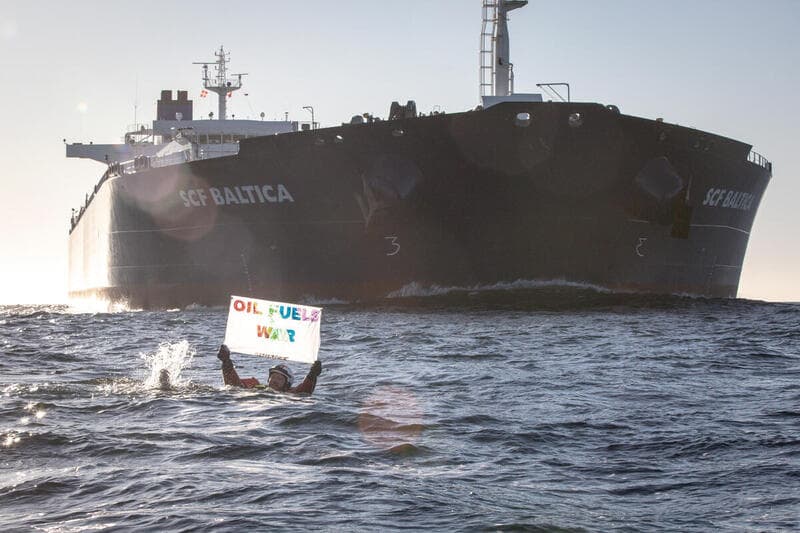
A recent investigation by the Armed Conflict Location and Event Data Project (ACLED) indicates that Russia's shadow fleet of oil tankers is operating as a platform for hybrid warfare against European nations. The report suggests these vessels are not solely used to circumvent sanctions but are actively involved in activities such as the sabotage of undersea infrastructure and drone surveillance.
These alleged operations are concentrated around military installations and critical infrastructure across the Baltic Sea and North Sea regions. The findings raise significant concerns about maritime security and the potential for undeclared hostile actions in international waters.
For freight forwarders and logistics professionals, this report highlights an evolving risk landscape in European maritime zones. While directly impacting oil tanker operations, the broader implications for general cargo shipping include heightened security scrutiny, potential for increased insurance premiums, and possible route adjustments or delays if specific areas become subject to enhanced monitoring or restrictions. Forwarders should stay informed about geopolitical developments that could affect vessel movements and port access in these sensitive regions.
The investigation underscores the complex nature of current geopolitical tensions and their manifestation in the maritime domain, suggesting a need for increased vigilance and potentially revised security protocols for commercial shipping operating in proximity to these alleged activities.